Osaka's Kuidaore Food Culture: Most Famous Gourmet Districts
 Shinobu
Osaka is a city where eating is often the main reason to visit.
The city is famous for the expression kuidaore, which literally means "to eat until you drop."
It reflects Osaka's culture of wandering through lively streets, trying delicious food wherever it catches your eye, and enjoying so many local specialties that you can hardly eat another bite.
Among the city's most popular destinations are Dotonbori, Kuromon Market, and Shinsekai.
Each area offers a different side of Osaka's vibrant food scene.
Whether you want to sample iconic local dishes in a bustling tourist district or experience the nostalgic atmosphere of an old downtown neighbourhood, Osaka provides countless opportunities to discover Japanese food culture.
This guide introduces the must-try dishes in each area, basic street food etiquette, and practical access information, making it easy even for first-time visitors to enjoy Osaka's culinary delights.
1. What Is Osaka's Kuidaore Culture?
Osaka has long prospered as a merchant city, and over the centuries it developed a culture that values enjoying delicious food at reasonable prices.
The phrase kuidaore has become the symbol of this spirit. It refers to spending generously on good food and enjoying it to the fullest.
More than simply eating large quantities, it represents experiencing the city's energy, atmosphere, and hospitality through its cuisine.
Osaka's culinary culture is far more diverse than its famous rich and flavourful dishes.
Visitors can enjoy foods built around delicate dashi broth, freshly cooked dishes served straight from the grill, and casual snacks similar to street food.
This accessibility makes Osaka especially popular with first-time international travellers.
Among the many places to eat, Dotonbori, Kuromon Market, and Shinsekai remain the city's classic destinations, combining sightseeing, shopping, and dining in one experience.
2. Discovering Osaka Cuisine in Dotonbori
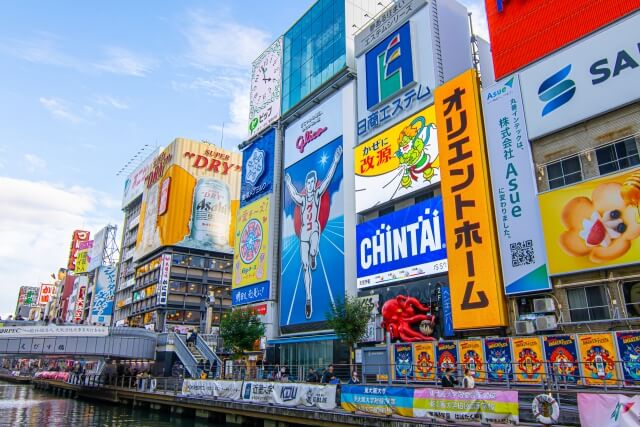
Dotonbori is one of Osaka's most iconic sightseeing districts.
Its brightly lit streets, giant signboards, and energetic atmosphere immediately create a sense of excitement.
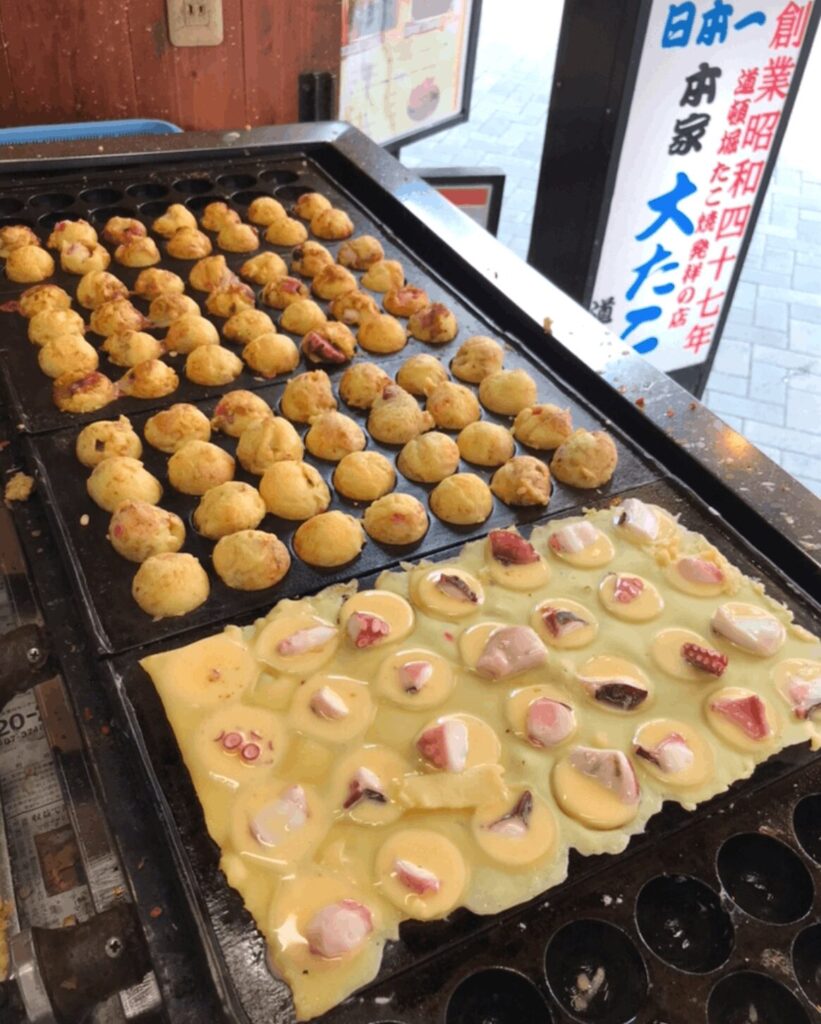
For many visitors, the first thing to try here is takoyaki.
These bite-sized balls of batter contain pieces of octopus and are cooked until lightly crisp on the outside while remaining soft and creamy inside.
Topped with savoury sauce, mayonnaise, bonito flakes, and seaweed powder, they are one of Osaka's signature foods.
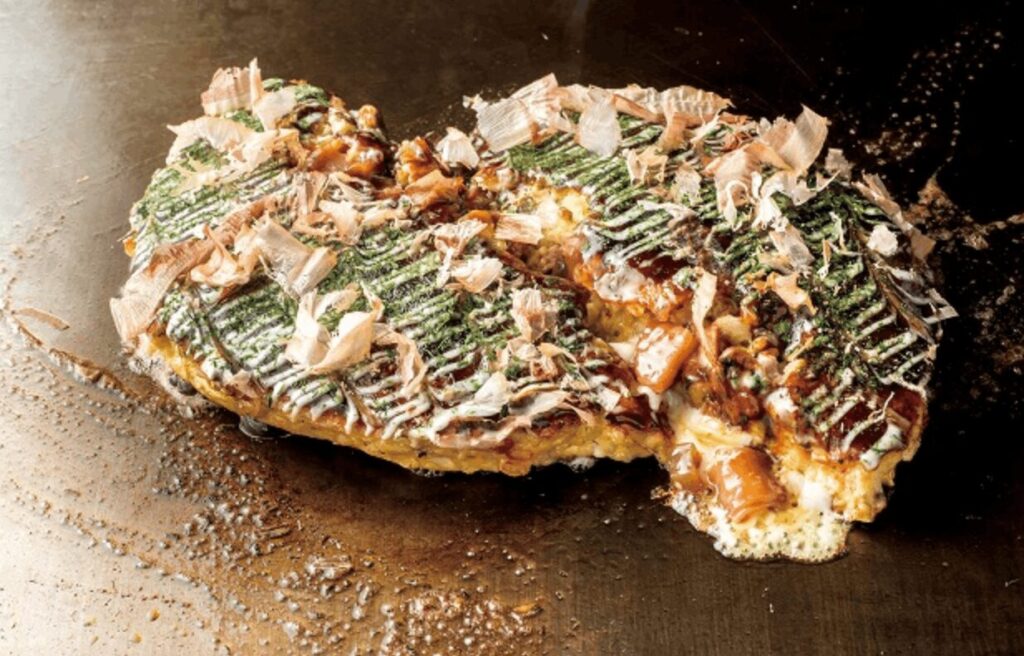
Another essential dish is okonomiyaki.
This savoury pancake combines cabbage, batter, and various ingredients, finished with a rich sauce that gives it a satisfying flavour.
Many restaurants prepare it on a hot iron griddle right in front of customers, making the cooking process part of the experience.
For travellers who want to combine sightseeing with great food, Dotonbori is the perfect starting point. If this is your first trip to Osaka, sampling the city's classic dishes here is highly recommended.
Dotonbori is also home to the Ninja Experience Cafe Osaka Dotonbori.
In addition to themed ninja-inspired food, visitors can dress as ninjas and take part in activities such as shuriken throwing, blowgun practice, and exploring a ninja-style trick house.
It is an entertaining experience for travellers looking for something beyond food alone.

3. Street Food Adventures at Kuromon Market
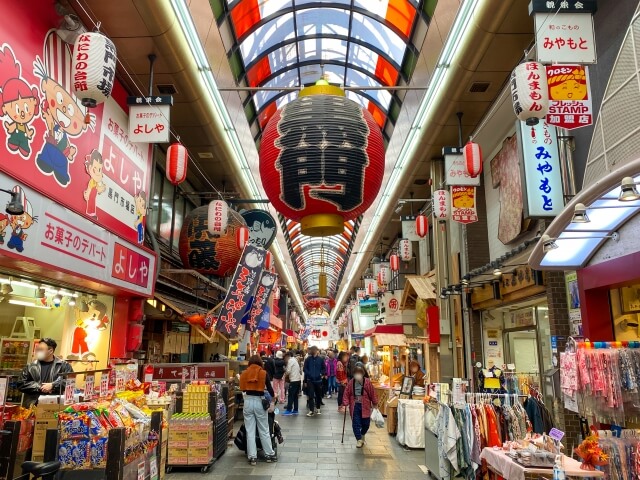
Known as "Osaka's Kitchen," Kuromon Market is one of the city's most famous food destinations.
The market combines the lively atmosphere of a traditional marketplace with a layout that is easy for tourists to explore.
It is particularly popular for street food and fresh seafood.
Visitors can enjoy sushi, grilled fish, scallops, sea urchin, tuna, and many other seafood delicacies that showcase the natural flavours of high-quality ingredients.
One of Kuromon Market's greatest attractions is the ability to sample many different foods in small portions.
Rather than sitting down for a large meal at one restaurant, visitors often move from stall to stall, trying a variety of specialties.
Other popular snacks include Japanese rolled omelettes, croquettes, tempura, pickles, and seasonal fruits.
Fresh seafood and fruit vary depending on the season, meaning every visit offers something slightly different.
The market can become quite crowded during peak hours, and queues often form at popular stalls.
Planning ahead and allowing extra time can make the experience more enjoyable.
Unlike the flashy atmosphere of Dotonbori, Kuromon Market appeals to travellers who want to appreciate ingredient quality and discover the everyday side of Osaka's food culture.
Kuromon Market Official Website
4. Local Flavours of Shinsekai
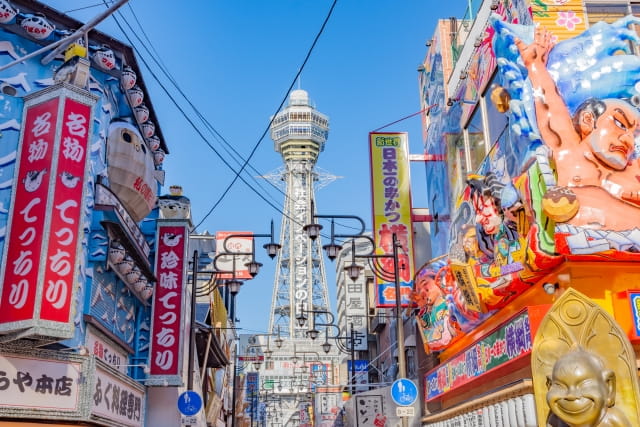
Shinsekai preserves much of Osaka's traditional downtown atmosphere.
Centred around the famous Tsutenkaku Tower, the area is filled with retro signboards, local restaurants, and nostalgic streets that create a welcoming and distinctly local feel.
The area's signature dish is kushikatsu.
Kushikatsu consists of various ingredients coated in batter, deep-fried until crispy, and served with a savoury dipping sauce.
The crunchy exterior and juicy interior make it one of Osaka's most beloved comfort foods.
There are many varieties to choose from, including shrimp, pork, beef, onions, and lotus root, allowing visitors to sample several different skewers in one meal.
Shinsekai is also known for hearty local dishes such as doteyaki, a rich beef tendon stew, and a variety of offal-based specialities.
These dishes reflect the bold, down-to-earth flavours that characterise Osaka's working-class food culture.
The atmosphere of the neighbourhood is as enjoyable as the food itself. Walking through streets that still evoke the Showa era creates the feeling of exploring a living community rather than a typical tourist attraction.
Compared with the bright entertainment district of Dotonbori or the market environment of Kuromon, Shinsekai offers a more local and authentic side of Osaka.
Shinsekai Reference Website
5. Street Food Etiquette and Useful Tips
When enjoying street food in Osaka, it is important to be considerate of those around you.
Avoid blocking shop entrances or busy walkways.
Since popular food districts can become crowded, it is usually best to step aside before eating.
Rather than eating while walking, many locals prefer to stop in a suitable location and enjoy their food without disturbing pedestrian traffic.
Proper rubbish disposal is also important.
Skewers, containers, and packaging should be discarded according to each shop's instructions rather than left behind.
Because sauces and juices can easily spill, carrying tissues or wet wipes is often helpful.
Some smaller vendors may only accept cash, so keeping a reasonable amount of Japanese yen on hand is recommended.
Visitors should also expect queues at popular establishments.
Allowing extra time and avoiding an overly packed schedule will make the experience far more enjoyable.
Following local etiquette helps create a positive atmosphere for both visitors and residents, making Osaka's food culture even more rewarding to experience.
6. Getting Around the Major Food Districts
Dotonbori is easily accessible from Namba Station, served by the Osaka Metro Midosuji, Yotsubashi, and Sennichimae Lines.
Its central location makes it an excellent base for sightseeing, shopping, and dining.
Kuromon Market is within walking distance of Nipponbashi Station and can also be reached on foot from Namba.
Many visitors combine both areas in the same outing.
Shinsekai is conveniently accessed via Dobutsuen-mae Station or Ebisucho Station, with Tsutenkaku Tower serving as an easy landmark.
Since all three districts are relatively close together, it is entirely possible to visit them in a single day.
However, a food-focused itinerary involves plenty of walking, so comfortable footwear is highly recommended.
Checking crowd levels on map applications and adjusting your route accordingly can also help make your day more efficient.
7. Summary
Osaka's famous kuidaore culture is about far more than simply eating large amounts of food. It is a way of experiencing the city's character, energy, and hospitality through its culinary traditions.
Dotonbori offers Osaka's classic tourist-friendly dishes, Kuromon Market showcases fresh ingredients and market culture, and Shinsekai provides a taste of traditional downtown cuisine and atmosphere.
Each district has its own unique personality, and visiting all three gives travellers a deeper understanding of Osaka's food culture.
By observing local etiquette and exploring at a relaxed pace, visitors can enjoy a memorable culinary adventure that goes far beyond a typical meal.
For an additional experience, consider visiting the Ninja Experience Cafe in Dotonbori. After indulging in Osaka's famous food scene, you can burn off some energy through exciting ninja activities and interactive experiences.
What are we?
We run Ninja Experience Cafe in Tokyo, Kyoto and Osaka, Japan.
Here you can immerse yourself in Japanese culture through experiencing ninja training.
Both adults and children are welcome to try their hand at defeating the ninja master inside the cafe.
The cafe is an indoor interactive zone, so it can be enjoyed even on rainy days.
If you are thinking "I want to be a real ninja too!” or interested in becoming a real ninja, please visit us.
Reservations can be made here.
Unauthorized copying and replication of the contents of this site, text and images are strictly prohibited.