The History of Chopsticks and 10 Taboos to Avoid
 Shinobu
At the Japanese dining table, chopsticks are far more than mere eating utensils.
They have long been regarded as a sacred bridge connecting the blessings of nature within the food to the people receiving them.
While overseas travelers often admire the dexterous use of these two slender sticks, behind this dining culture lies a deep philosophy passed down over centuries, accompanied by remarkably intricate etiquette.
In Japan, chopstick manners are considered so important that the way you use them is said to reflect your character and upbringing.
However, the rules are so numerous that even Japanese people find it hard to follow every single one flawlessly.
This guide covers everything from the origins of chopsticks to the taboos to avoid and key differences across Asia, helping you dine with confidence in Japan.
- The Significance of Chopsticks in Japanese Culture
- The History of Chopsticks: A 3,000-Year Journey Beginning with Bamboo Tweezers
- 10 Critical Chopstick Taboos to Avoid
- No Chopstick Rest? Smart Alternatives and Table Manners
- Chopstick Customs in Other Countries: Comparing China, South Korea, and Vietnam
- Experience More Japanese Culture at Ninja Experience Cafe
- Summary
1. The Significance of Chopsticks in Japanese Culture
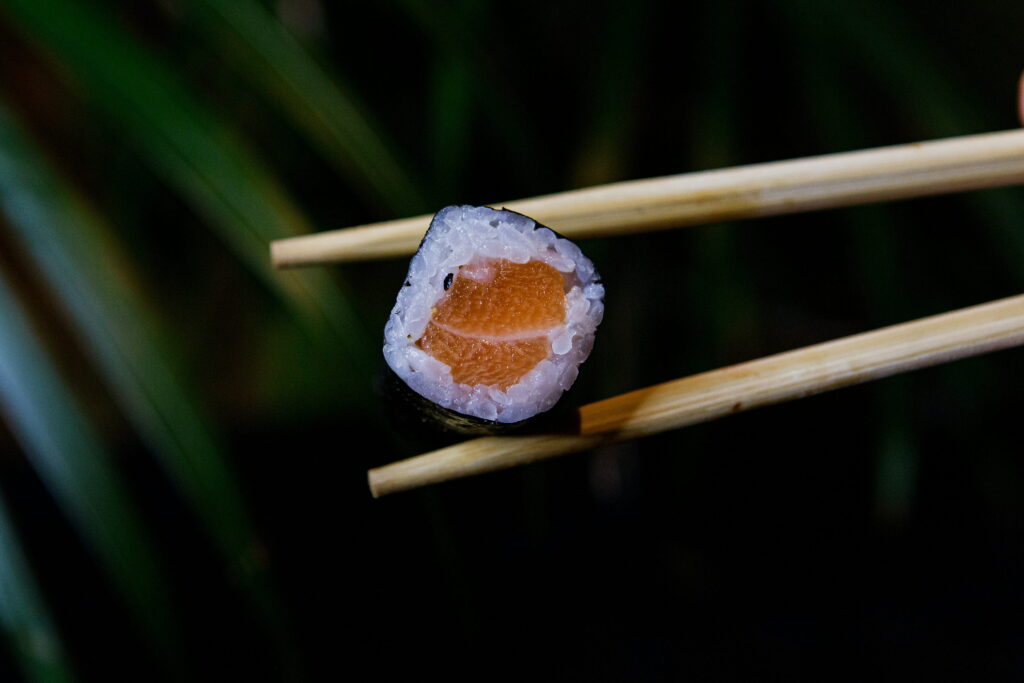
According to one theory, the Japanese word for chopsticks (hashi) shares its roots with the words for bridge (hashi) and ladder (hashigo). Chopsticks serve not only as daily utensils but also as a sacred link between deities and humans.
Consider the traditional gozen dining tray.
Chopsticks are always placed horizontally in front of the diner.
This positions the chopsticks as a boundary line separating the sacred food beyond from the person dining before it.
Picking up the chopsticks while saying itadakimasu (a phrase expressing humble gratitude for the meal) is a ritual act that dissolves this boundary, welcoming nature’s life force into one’s body.
Japanese people are connected to chopsticks throughout their lives, a bond reflected in the saying that life begins and ends with chopsticks.
From okuizome, the baby’s “first meal” ceremony held around the 100th day after birth, to the ritual of gathering cremated remains at the end of life, chopsticks are present at every spiritual milestone.
2. The History of Chopsticks: A 3,000-Year Journey Beginning with Bamboo Tweezers
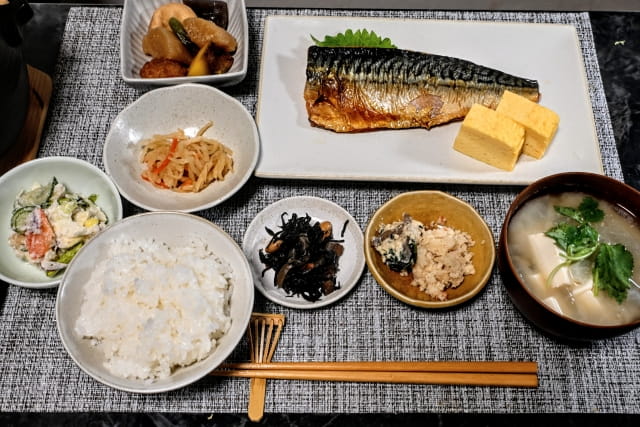
Chopsticks originated in ancient China and are thought to have arrived in Japan during the Yayoi period.
At that time, they were not two separate sticks but a single piece of bent bamboo shaped like tweezers.
These were ritual instruments for handling offerings to the gods rather than tools for daily dining.
Chopstick dining was first adopted at court during the Asuka period, after Prince Shotoku dispatched Ono no Imoko as an envoy to Sui dynasty China.
The envoys brought back Chinese court manners, and eating with chopsticks instead of fingers came to be seen as civilized. The custom then gradually spread from imperial ceremonies to the general population.
Chopsticks then evolved in their own way in Japan.
While China and South Korea often use metal or plastic, timber-rich Japan favored wood and bamboo.
The craft also merged with traditional lacquerware techniques to create beautifully decorated artisan pieces.
Furthermore, the custom of keeping personal chopsticks used only by their owner is widely regarded as a uniquely Japanese tradition, rooted in the belief that a user’s spirit dwells within their own utensils.
3. 10 Critical Chopstick Taboos to Avoid
At a Japanese table, committing kirai-bashi (taboo chopstick habits that make others uncomfortable) is frowned upon far more than simple clumsiness.
Here are ten major taboos to avoid, starting with the most serious:
- Tate-bashi (Standing chopsticks): Sticking chopsticks upright in a bowl of rice. This resembles the rice offered to the deceased at funerals and is one of the most serious taboos.
- Hashi-watashi (Passing chopsticks): Passing food directly from one person’s chopsticks to another’s. This mimics the funeral ritual of gathering cremated bones and is equally taboo.
- Watashi-bashi (Crossing chopsticks): Resting chopsticks across the top of a bowl or plate during a meal. This signals that you have finished eating and is considered impolite.
- Sashi-bashi (Spearing chopsticks): Stabbing food with a chopstick to pick it up, including piercing items to check if they are cooked through.
- Mayoi-bashi (Hesitating chopsticks): Hovering your chopsticks indecisively over dishes while choosing what to eat.
- Yose-bashi (Pulling chopsticks): Using chopsticks to drag distant dishes toward yourself.
- Saguri-bashi (Digging chopsticks): Sifting through a dish from top to bottom to hunt for specific ingredients.
- Neburi-bashi (Licking chopsticks): Sucking or licking the tips of the chopsticks.
- Tataki-bashi (Tapping chopsticks): Striking bowls or plates with chopsticks to make noise.
- Mochi-bashi (Holding chopsticks): Picking up a cup or bowl with the same hand that is already holding chopsticks.
4. No Chopstick Rest? Smart Alternatives and Table Manners
Chopstick rests are not always provided in casual pubs (izakaya) or local diners.
However, resting chopsticks across a bowl is taboo, and placing the tips on the bare table is unhygienic.
Use these practical alternatives instead:
Fold the paper wrapper (chiyo-musubi)
Fold the paper wrapper from your disposable chopsticks lengthwise and tie it into a neat knot.
This creates a makeshift rest, reflecting Japan’s refined origami culture.
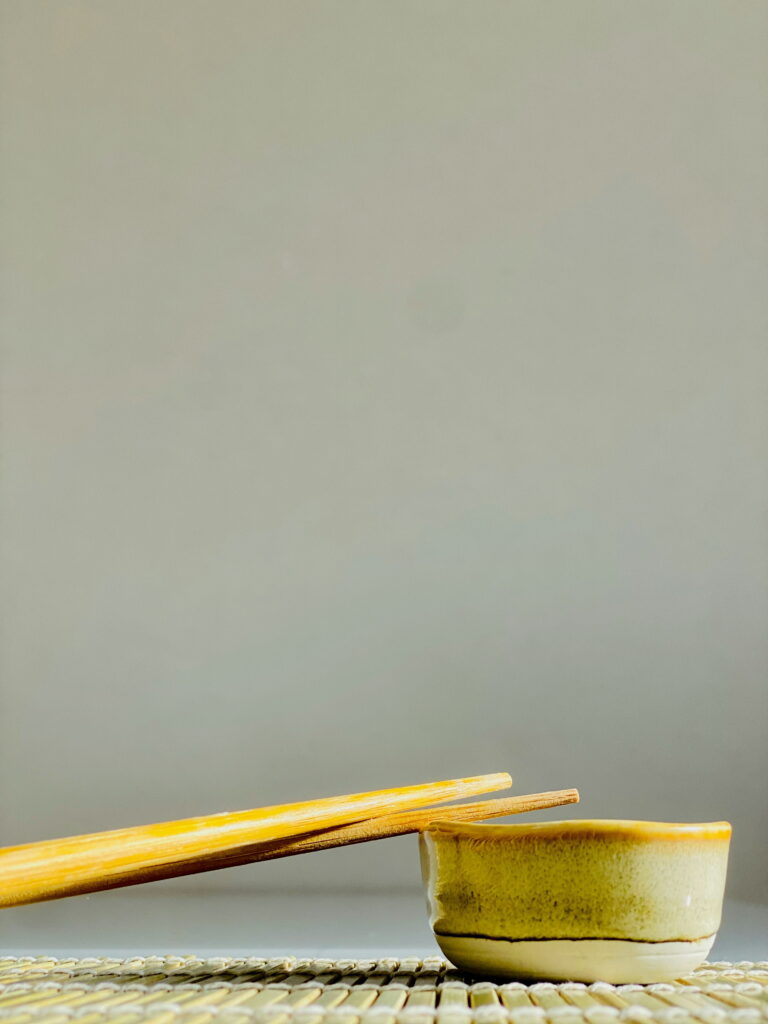
Rest against the rim of a small dish
If there is no wrapper, lean the tips of the chopsticks diagonally against the left rim of a sauce plate or side dish.
Make sure only the tips rest on the edge so the chopsticks do not span the entire dish.
Use the edge of the meal tray
When your meal is served on a tray, rest the tips on the left rim of the tray.
After the meal: the paper sleeve
Never slide used chopsticks all the way back into their original paper sleeve, as staff may mistake them for unused ones.
Instead, fold the end of the sleeve slightly to signal that they have been used.
5. Chopstick Customs in Other Countries: Comparing China, South Korea, and Vietnam
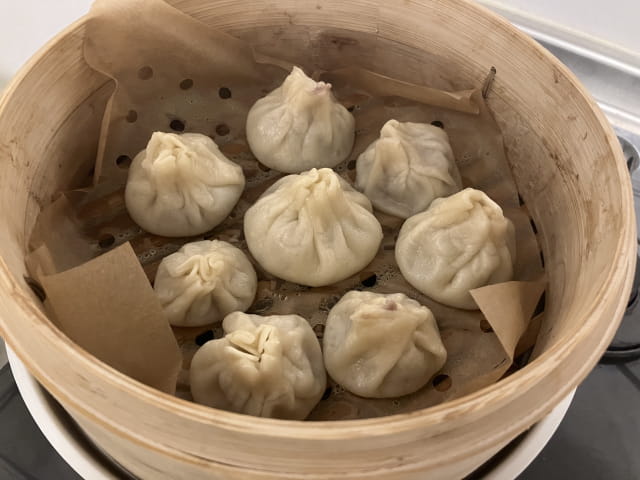
Chopstick designs and table etiquette vary significantly across East and Southeast Asia.
China
Chinese chopsticks are longer with blunt, rounded ends, designed for reaching across large sharing platters at communal tables.
As in Japan, it is normal to hold your rice bowl up while eating.
South Korea
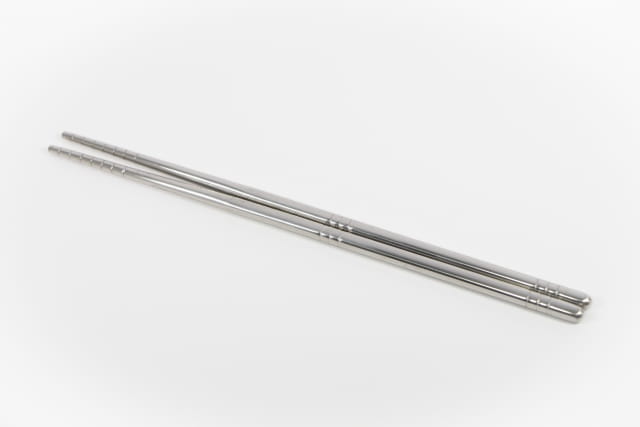
South Korea traditionally uses flat metal (silver or stainless steel) chopsticks paired with a spoon.
This is often said to stem from royalty using silver utensils to detect poison.
The standard practice is to use chopsticks only for side dishes, while rice and soup are eaten with a spoon.
Unlike in Japan, lifting your rice or soup bowl off the table is considered poor etiquette.
Vietnam
Vietnamese chopsticks are typically long and made of wood or bamboo.
Dining manners are relatively relaxed, though Confucian respect for elders remains important; for example, younger family members customarily invite their elders to start eating first.
How Japan Compares
Japan is unique in handling an entire meal with chopsticks alone, without relying on spoons.
Because Japanese chopsticks are used to remove fine fish bones and cut delicate tofu, they are crafted with fine, pointed tips.
6. Experience More Japanese Culture at Ninja Experience Cafe
Chopsticks are not the only part of Japanese culture that surprises visitors.
At Ninja Experience Cafe, guests discover that the real ninja world is a little different from what they have seen in anime and films.
The manager of our Harajuku and Asakusa stores explains:
“Many guests expect to throw shuriken sideways, like in anime. In fact, we throw them vertically, like a baseball, and everyone is surprised by that.”
Shuriken throwing is the most challenging activity, but our staff have a simple trick: count “one, two” as you get ready, then throw on “three”. With this rhythm, guests hit the target far more often.
Blowgun darts are the easiest activity, and even children around three years old can join in with a parent’s help. At our Harajuku store, the session ends with popping a balloon, which is the highlight for many guests.
Our most popular course is Jiraiya, which includes the ninja experience, a ninja costume, and a drink.
The costumes are adjusted with ties, so they fit both larger adults and small children.
The most popular drink is Ninja Ale, a special ginger ale turned black by “ninjutsu.”
A visit takes about one hour without a meal, or about an hour and a half with a meal course. If you prefer a quieter visit, come during the day on a weekday.
Solo travelers are welcome too: our staff will take photos and videos for you.
Our stores are located in Asakusa and Harajuku in Tokyo, Gion in Kyoto, and Dotonbori in Osaka.
7. Summary
Mastering chopstick etiquette is not merely about avoiding social blunders.
It is an expression of consideration for fellow diners, gratitude for the ingredients, and respect for the chef who prepared the meal. Handling chopsticks mindfully allows you to embody the heart of Japanese hospitality.
Even if your technique is not perfect, the simple effort to fold a wrapper into a rest or avoid crossing your chopsticks over a bowl shows deep respect for the culinary culture.
The next time you sit down to dine in Japan, take a moment to recall the history resting in those two wooden sticks, straighten your posture, and say itadakimasu.
What are we?
We run Ninja Experience Cafe in Asakusa and Harajuku (Tokyo), Gion (Kyoto) and Dotonbori (Osaka), Japan.
Here you can immerse yourself in Japanese culture through experiencing ninja training.
Both adults and children are welcome to try their hand at defeating the ninja master inside the cafe.
The cafe is an indoor interactive zone, so it can be enjoyed even on rainy days.
If you are thinking “I want to be a real ninja too!” or interested in becoming a real ninja, please visit us.
Reservations can be made here.
Unauthorized copying and replication of the contents of this site, text and images are strictly prohibited.

