Best Time to Visit Tokyo: Discover the Perfect Season for Your Trip
 Shinobu
Tokyo is a vibrant metropolis blessed with four distinct seasons, making it an extraordinary travel destination all year round.
Spring brings fluttering cherry blossoms, summer delivers lively street festivals and fireworks, autumn paints traditional gardens in vivid foliage, and winter charms visitors with crisp skies and dazzling illuminations.
This guide explores the weather, crowd levels, seasonal highlights, and cultural events across each period to help you discover your ideal timing for visiting Tokyo.
Let us help you choose the perfect season tailored to your travel style.
- All-Weather Fun: Enter the World of Ninjas at Ninja Experience Cafe in Harajuku and Asakusa
- Spring (March to May): Cherry Blossoms and Pleasant Weather, the Most Popular Season
- Summer (June to August): Festivals, Vibrant Nights, and Warm Weather Tips
- Autumn (September to November): Autumn Leaves and Mild Temperatures
- Winter (December to February): Clear Skies, Romantic Illuminations, and Peaceful Sightseeing
- When Is the Best Time for You? Recommended Timing by Travel Goal
- Summary

1. All-Weather Fun: Enter the World of Ninjas at Ninja Experience Cafe in Harajuku and Asakusa
Before diving into each season, let us start with an activity you can enjoy in Tokyo at any time of year.
For an engaging experience that is completely independent of the weather, Ninja Experience Cafe is a popular cultural attraction with branches in both Harajuku and Asakusa.
The Harajuku branch is moments away from the vibrant Takeshita Street, while the Asakusa branch is within easy walking distance of the historic Senso-ji Temple, so you can easily fit a session into your sightseeing itinerary.
The entire experience takes place indoors, making it a dependable and exciting option on rainy days, midsummer afternoons, or chilly winter mornings.
What You Will Experience
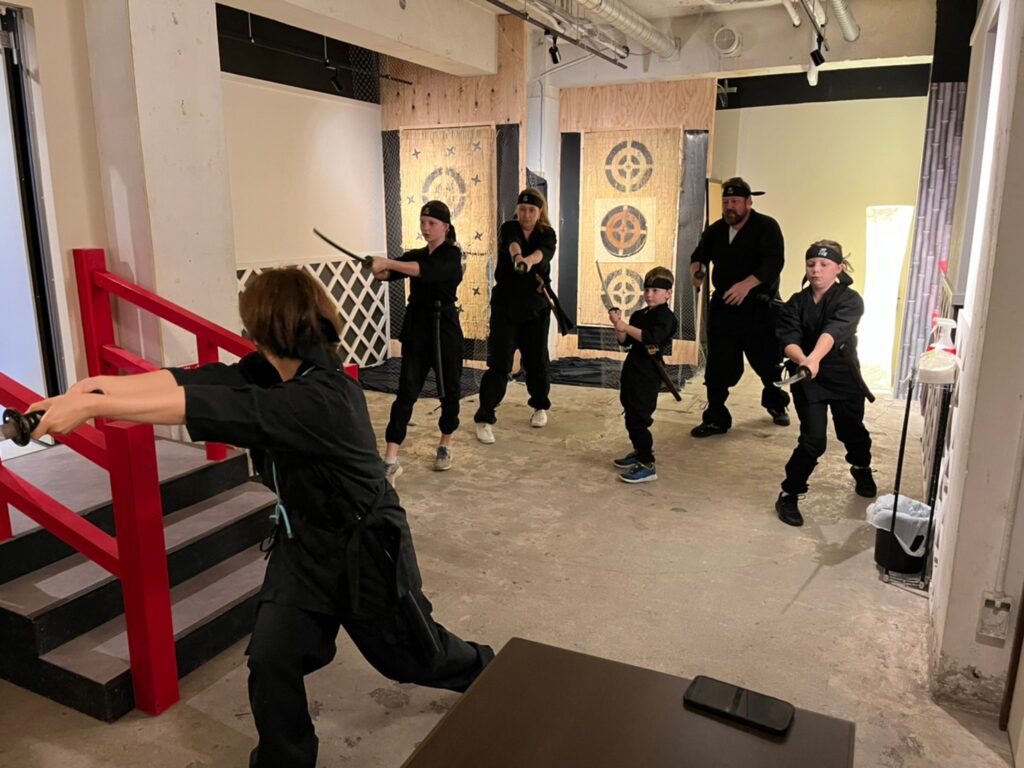
After changing into a ninja outfit, you will train in classic ninja skills such as throwing shuriken (ninja stars) and shooting a fukiya (blowgun), with English-speaking staff guiding you through each step.
The most popular course, Jiraiya, combines the training, costume rental, and a drink. A visit takes about one hour, or around 90 minutes for courses that include a meal.
The standard outfit is black, with other colours also available, and comes with a top and trousers, an obi belt, a forehead guard, hand guards, and a hood. Many guests say they finally feel like a real ninja the moment the hood goes on.
The outfit is fastened with a series of ties, so it adjusts easily to almost any body size. Guests who worry that it might not fit are often surprised, and even small children can wear it comfortably.
For many visitors, the highlight is the blowgun finale at the Harajuku branch, where you aim to pop a balloon. It is the moment that draws the loudest cheers of the session.
Do not leave without trying Ninja Ale, the cafe's best-selling drink: a special ginger ale turned black by "ninja magic".
Insider Tips from Our Staff
"Real shuriken throwing is different from what you see in anime and films. You do not flick them sideways; you throw them overhand, just like a baseball. Everyone is surprised by that."
Manager of the Harajuku and Asakusa branches
- Find your rhythm: Shuriken are the hardest activity to master. Our staff teach guests to make two practice motions on "one, two" and release on "three", which helps the star stick in the target far more often.
- Ninja or samurai? It is one of the questions guests ask most. The simplest answer: a ninja is a spy, while a samurai is a warrior.
Good to Know Before You Visit
- Families with young children: The blowgun is the easiest activity, and children aged around three or four can enjoy it with a little help from a parent. Shuriken require more strength and coordination, and children around two years old may find the activities difficult.
- Solo travellers: Visiting alone is no problem at all. Staff are happy to take photos and videos of you in action, so you can leave with great keepsakes in full costume.
- Quietest time: Weekday daytime is usually the least crowded.
- Entertainment, not a dojo: The cafe is designed as a fun, hands-on cultural experience rather than a place for serious martial arts training, and it uses replica props for safety.
Book your ninja training session here.
2. Spring (March to May): Cherry Blossoms and Pleasant Weather, the Most Popular Season
Blooming from late March through early April, cherry blossoms (sakura) serve as an iconic symbol of Japanese spring.
Renowned spots such as Ueno Park, the Meguro River, and Chidorigafuchi Moat draw admirers beneath expansive canopies of pale pink petals, creating views that resemble classical paintings. Joining a hanami picnic under the trees provides a wonderful window into everyday local traditions.
Daytime temperatures range from the low teens in March to the low 20s (°C) in May, with relatively low humidity and frequent sunshine, offering splendid conditions for leisurely neighbourhood walks.
Following the cherry blossom peak, vibrant displays of azaleas, wisteria, and fresh greenery continue to brighten urban parks through May.
In mid-May, the lively Sanja Matsuri, one of Tokyo's largest festivals, fills the streets of Asakusa with portable shrines carried by energetic crowds.
Note that the Golden Week holidays (late April to early May) bring heavy crowds and higher accommodation rates, so booking early is recommended if your trip falls during this period.
Spring in Tokyo also introduces delightful culinary specialities.
Bakeries, cafes, and confectioneries across the city roll out limited seasonal treats, including fresh strawberry desserts and sakura-flavoured lattes, pastries, and traditional wagashi sweets.
Seasonal Japanese dishes such as wild mountain vegetable tempura (sansai), seasoned rapeseed greens (nanohana), and freshly harvested bamboo shoot rice (takenoko gohan) showcase the delicate flavours of the season.
Recommended Spots
Sanja Matsuri Official Website

3. Summer (June to August): Festivals, Vibrant Nights, and Warm Weather Tips
Summer is the season when Tokyo's vibrant urban energy and rich community traditions shine brightest.
Between June and August, the capital hosts numerous historic neighbourhood festivals and massive fireworks displays, offering an immersive look into traditional Japanese festive culture.
During the June rainy season, shrine grounds such as Hakusan Shrine bloom with colourful hydrangeas, and the sound of rainfall brings a peaceful, reflective charm to traditional stone paths and quiet alleys.
July and August usher in high-energy summer festivals.
The prestigious Sumida River Fireworks Festival is an absolute standout, launching around 20,000 fireworks into the night sky above the historic downtown district before nearly one million spectators.
Local celebrations including the Asagaya Tanabata Festival and the Mitama Matsuri at Yasukuni Shrine fill the streets with traditional yukata cotton robes, food stalls, and glowing lanterns.
Summer days can be hot and humid, with temperatures sometimes exceeding 35°C, so stay hydrated and take care to avoid heatstroke. Planning daytime visits around air-conditioned museums, cutting-edge art galleries, and modern shopping complexes makes for a comfortable trip.
Recommended Spots
Sumida River Fireworks Festival Official Website
Asagaya Tanabata Festival (Suginami City Tourism Site)
Yasukuni Shrine Official Website (Mitama Matsuri)

4. Autumn (September to November): Autumn Leaves and Mild Temperatures
As the summer humidity fades into crisp, clear autumn air, Tokyo becomes exceptionally comfortable for walking and sightseeing.
Late November in particular offers settled, pleasant weather and brilliant autumn foliage, presenting the metropolis at its most romantic.
Daytime temperatures ease from the high 20s (°C) in September to the mid-teens by November, so exploring the city in light layers is effortless.
Tokyo's classical landscape gardens and expansive parks transform into rich tapestries of crimson maple and golden ginkgo leaves, typically peaking from late November to early December.
Locales such as Shinjuku Gyoen National Garden, the Meiji Jingu Gaien ginkgo avenue, and Rikugien Garden showcase dramatic seasonal colours, with several historic venues hosting enchanting evening illumination events.
Autumn is also celebrated as a prime season for arts and entertainment.
The Tokyo International Film Festival in late October brings international cinema and creative talent to central venues in the Hibiya, Yurakucho, and Ginza area.
Food culture is another major highlight, as seasonal ingredients such as chestnuts, sweet potatoes, pumpkins, matsutake mushrooms, and pears appear in seasonal dining menus and afternoon tea sets throughout the city.
Accommodation rates remain relatively stable compared to the spring peak, and visitor crowds thin out slightly, offering an unhurried sightseeing pace.
Furthermore, the clear autumn skies substantially improve the chances of viewing Mount Fuji from high-rise observation decks across the capital.
Recommended Spots
Shinjuku Gyoen Official Website
Meiji Jingu Gaien Official Website
5. Winter (December to February): Clear Skies, Romantic Illuminations, and Peaceful Sightseeing
Winter in Tokyo rarely brings heavy snowfall, instead offering crisp, clear winter sunshine and high visibility for spotting Mount Fuji across the skyline.
While temperatures drop, daytime highs generally range from 8°C to 13°C, with overnight lows between 0°C and 5°C, making city exploration quite pleasant with proper winter attire.
One of winter's greatest advantages is the manageable crowd levels. Major museums, historic landmarks, and popular neighbourhood cafes can be enjoyed at a calm, leisurely pace.
Accommodation prices often reflect off-peak value, providing excellent cost performance for discerning travellers.
The primary exception is the New Year holiday period from 29 December to 3 January, when locals visit major shrines for hatsumode (the year's first shrine visit).
Some retail shops and independent restaurants observe holiday closures during these days, so checking opening schedules in advance is recommended.
Winter highlights include dazzling holiday illumination displays along Marunouchi Naka-dori, Roppongi Hills, Omotesando, and Shibuya.
Warming up over a bowl of rich ramen, udon noodles, or a simmering nabemono hotpot meal rounds off the cosy winter experience.
Recommended Spots
Marunouchi Official Website
Roppongi Hills Official Website

6. When Is the Best Time for You? Recommended Timing by Travel Goal
| Travel Objective | Recommended Period |
| Experiencing cherry blossoms and spring blooms | Late March to early April |
| Enjoying clear blue skies and distant mountain vistas | November to February |
| Viewing autumn leaves in traditional gardens | Late November to early December |
| Watching Grand Sumo Tournaments in Tokyo | January, May, and September |
| Avoiding major crowds for relaxed sightseeing | Mid-January to February, and weekdays in June |
| Experiencing summer night festivals and fireworks | Late July to August |
7. Summary
Tokyo reveals a remarkably different personality with every passing season.
For temperate weather and breathtaking nature, spring (March to April) and autumn (October to November) provide the most well-rounded conditions for visiting.
Meanwhile, summer offers unbeatable cultural vibrancy with night festivals, and winter delivers crisp views, brilliant illuminations, and a peaceful atmosphere.
By matching your travel style and preferences with the distinct character of each season, you can design a truly rewarding Tokyo journey.
About Us
We run Ninja Experience Cafe in Tokyo, Kyoto and Osaka, Japan.
Here you can immerse yourself in Japanese culture through experiencing ninja training.
Both adults and children are welcome to try their hand at defeating the ninja master inside the cafe.
The cafe is an indoor interactive zone, so it can be enjoyed even on rainy days.
If you are thinking "I want to be a real ninja too!" or interested in becoming a real ninja, please visit us.
Reservations can be made here.
Unauthorized copying and replication of the contents of this site, text and images are strictly prohibited.