Japanese Culture: Everyday “Culture Shocks” for Foreigners
 Shinobu
For those considering a trip to Japan.
If you come to Japan with only the image of it being a “safe country with delicious food”, you will surely find yourself surprised by many small everyday scenes.
That is because many things that are completely “normal” to Japanese people can seem like “unbelievable and extraordinary experiences” in other parts of the world.
Vending machines lining the streets, trains arriving without being even a second late, the custom of not handing money directly to cashiers, and the sound of people loudly slurping noodles...
In this article, we will thoroughly introduce the aspects of Japanese “common sense” that particularly surprise, confuse, and impress foreign visitors, while comparing them with customs overseas.
Use this as your essential “culture shock survival guide” for experiencing Japan more smoothly and more deeply.
- Astonishing Convenience: Convenience Stores and Vending Machine Networks
- The Height of Cleanliness and Consideration: Japanese Toilet Culture
- Economy and Service: High Quality Without Tipping and a Cash-Based Society
- Public Transport Norms: “Second-Precise Operation” and “Silence”
- The Mystery of Public Spaces: Clean Streets Without Public Bins
- The Virtue of Group Behaviour: Orderly Discipline
- The Spirit of the People: Kindness, Hospitality, and Public Safety
- Lifestyle Differences: Removing Shoes and Bathhouse Culture
- Challenging Food Culture: Raw Foods, Sticky Foods, and Slurping Sounds
- Words of Gratitude Before and After Meals: “Itadakimasu” and “Gochisousama Deshita”
- Summary
1. Astonishing Convenience: Convenience Stores and Vending Machine Networks
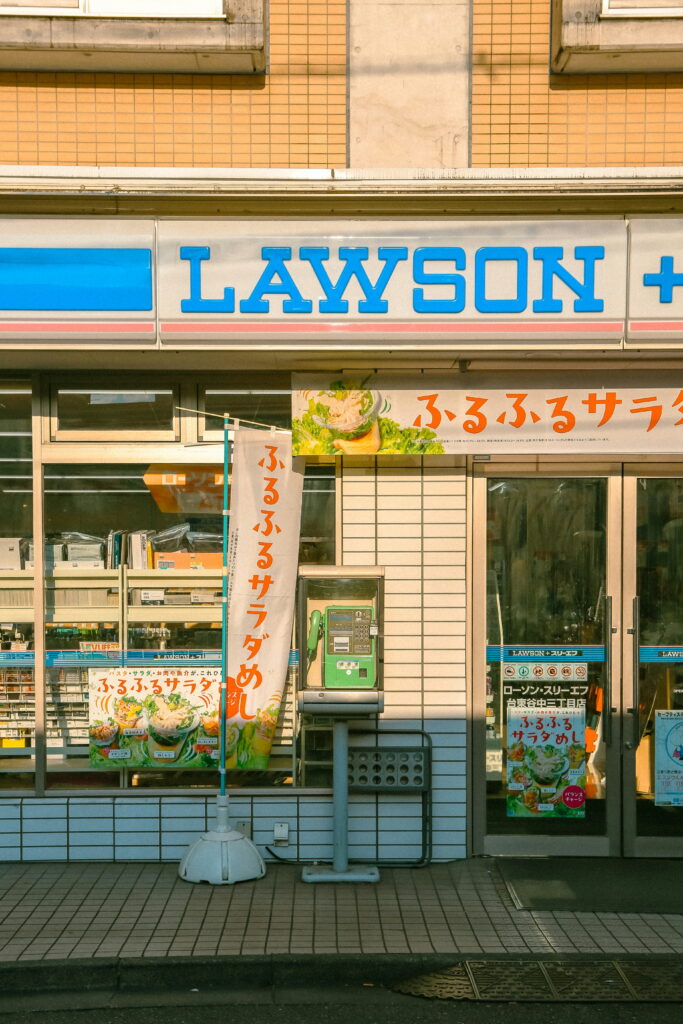
Japanese convenience stores are open 24 hours a day as a basic standard, unlike many overseas retailers that close late at night or early in the morning, and the range of services they provide is astonishingly multifunctional.
Tasks that in many countries can only be done at banks or post offices, such as using ATMs, paying utility bills, and sending or receiving parcels, can all be completed at convenience stores in Japan.
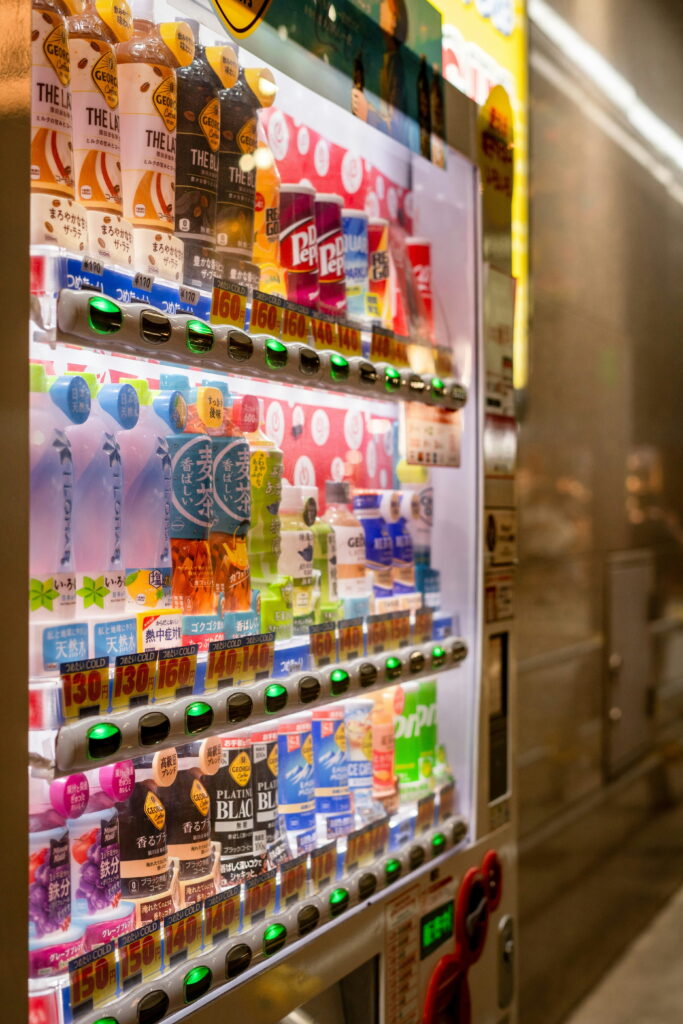
In addition, large numbers of vending machines are installed throughout cities, even in places where hardly anyone is around, and most operate without any problems.
In many countries, vending machines are often placed only in limited locations because of the risk of vandalism or theft, so this symbolises Japan’s high level of public safety and social trust.
Furthermore, many foreigners are surprised that a single vending machine can sell both hot and cold drinks.
2. The Height of Cleanliness and Consideration: Japanese Toilet Culture
In many countries, public toilets are either paid facilities or poorly maintained, but in Japan, toilets at stations and commercial facilities are free to use and are kept astonishingly clean.
Foreign visitors are also impressed by the widespread use of bidet toilets, known as washlets, as well as devices such as the “Otohime”, which plays the sound of running water so users do not need to feel self-conscious about bodily sounds while using the toilet.
Furthermore, everyday facilities in Japan are filled with thoughtful details, such as baby holders for parents with children and highly accessible multipurpose toilets for elderly people and those with disabilities.
3. Economy and Service: High Quality Without Tipping and a Cash-Based Society
In countries with tipping culture, especially the United States, tipping is a normal part of paying for service. In Japan, however, there is no tipping culture whatsoever.
If you attempt to give a tip, staff members may become confused and sometimes even politely refuse it despite their excellent service.
Even so, the quality of service provided in Japan is considered among the best in the world, and many foreigners are deeply impressed that such professionalism is maintained without tips.
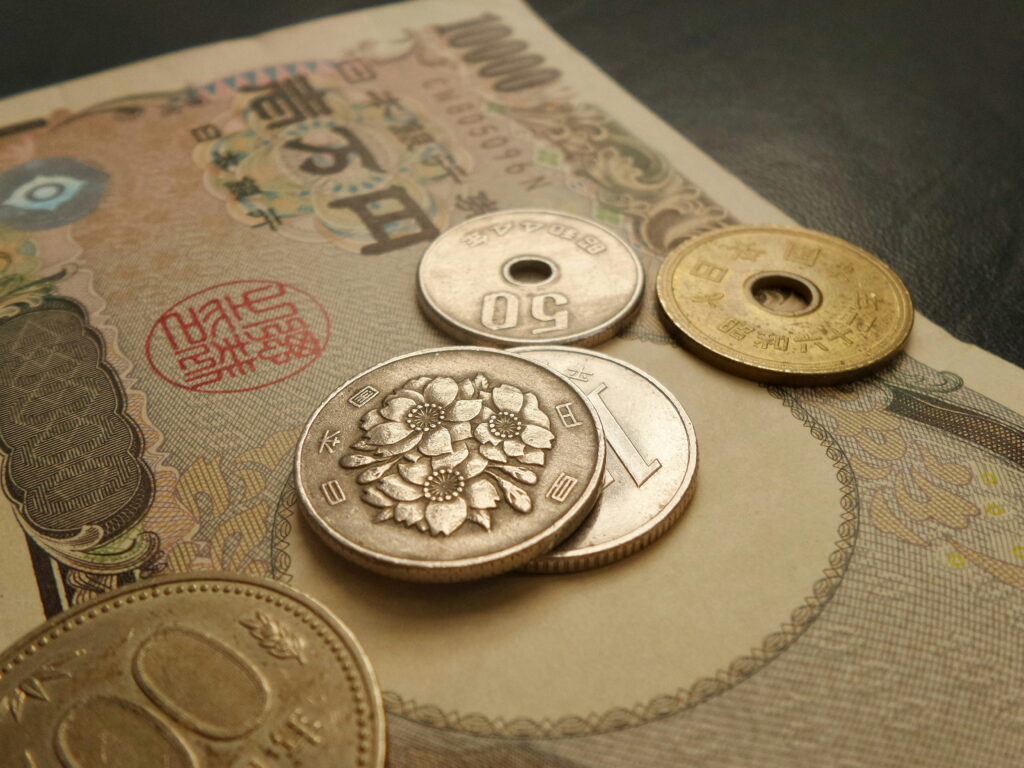
In addition, although Japan is seen as a high-tech country, many shops still do not accept credit cards or cashless payments compared with overseas countries, making cash the mainstream method of payment. This often surprises foreign visitors.
The custom of placing change on a tray instead of handing it directly to customers is also regarded as an unusual form of etiquette overseas.
4. Public Transport Norms: “Second-Precise Operation” and “Silence”
In major cities around the world, train delays of several minutes are commonplace, and formal apologies are often not given.
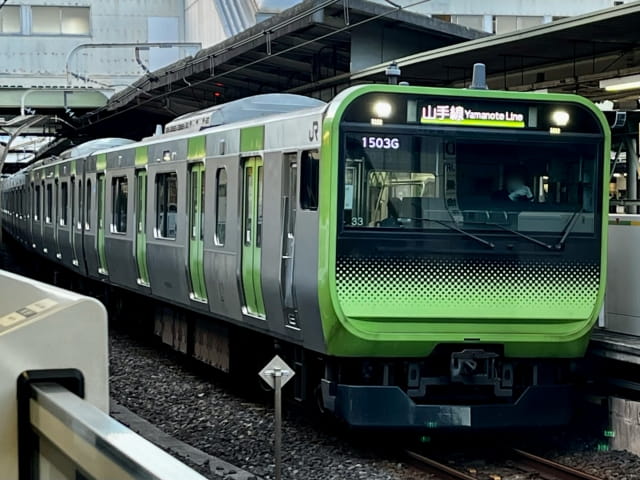
In Japan, however, trains are expected to operate with precision down to the second.
Foreign visitors are astonished that even delays of only a few minutes are met with polite apology announcements from conductors and station staff.
In addition, while public transport in many countries can be noisy, trains in Japan are often considered “silent spaces”.
Passengers refrain from making phone calls and speak quietly out of consideration for those around them.
Very few people eat strongly scented foods on trains, and foreigners are often impressed by how thoroughly the unspoken rule of “not causing inconvenience to others” is observed.
Furthermore, Japan’s railway culture is known for its complicated train classifications, such as local, rapid, and limited express services, as well as unique departure melodies that differ from station to station.
5. The Mystery of Public Spaces: Clean Streets Without Public Bins
In many countries, public bins are commonly found throughout cities. In Japan, however, especially along streets, public bins are extremely scarce due in part to the impact of past incidents.
Despite this, foreigners are amazed that there is still very little litter on the streets.
This is because Japanese people are accustomed to taking their rubbish home with them, reflecting a strong public awareness of cleanliness and hygiene.
Waste sorting is also extremely detailed, with rubbish separated into categories such as plastics, burnable waste, cans, and bottles, and many visitors are surprised by how thoroughly these rules are followed.
6. The Virtue of Group Behaviour: Orderly Discipline
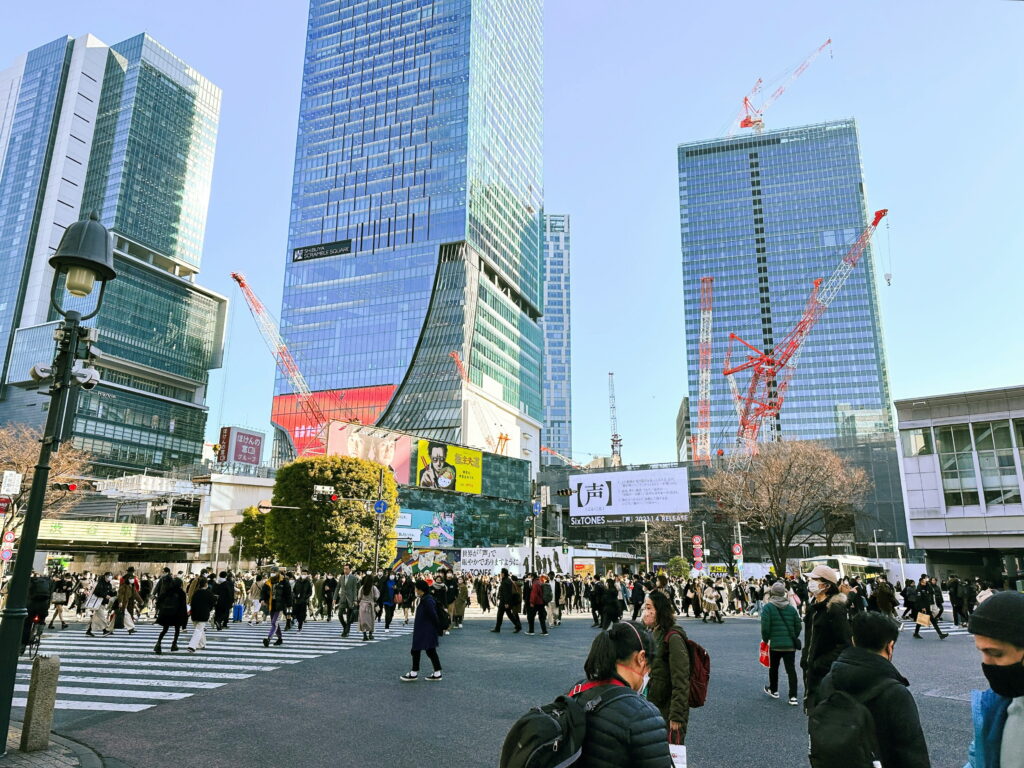
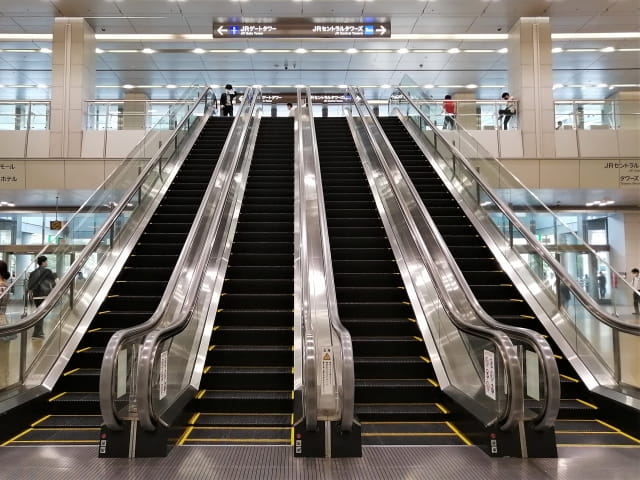
In some countries, queues can become disorganised, with people pushing ahead of others. In Japan, however, people naturally form orderly lines without needing instructions, whether waiting for trains or for shops to open.
Foreign visitors are also impressed by the discipline that allows strangers to move smoothly as a group, such as leaving one side of escalators open for people in a hurry.
In the Tokyo and wider Kanto region, people typically stand on the left and leave the right side open, while in Kansai the opposite is common.
This reflects how deeply the Japanese cultural value of maintaining social harmony has permeated daily life.
7. The Spirit of the People: Kindness, Hospitality, and Public Safety
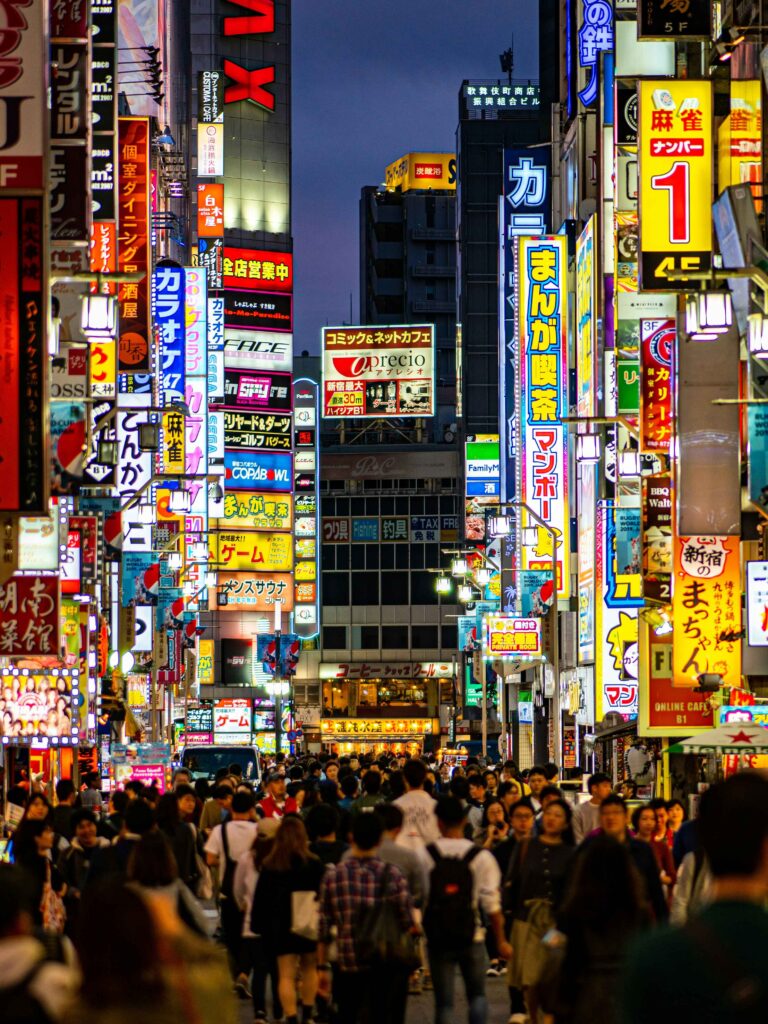
Japan’s spirit of “omotenashi”, or hospitality, is known worldwide, but many visitors are especially moved by how deeply it extends beyond luxury establishments into everyday customer service and even the kindness shown to strangers.
Japan is also known as one of the safest countries in the world.
The ability for women to walk alone late at night, for people to leave valuables on tables while stepping away, and for children to travel to and from school alone are all considered extraordinary by people from countries where safety concerns are more common.
In addition, the remarkably high likelihood of lost items being returned is another notable example of Japan’s high level of social trust.
8. Lifestyle Differences: Removing Shoes and Bathhouse Culture
In many countries, it is normal to keep shoes on indoors.
In Japan, however, removing shoes before entering a home is a basic rule.
Furthermore, shoes must also be removed in tatami rooms, certain restaurants, and temples and shrines, and many foreigners are surprised by the complicated custom of frequently changing into slippers.
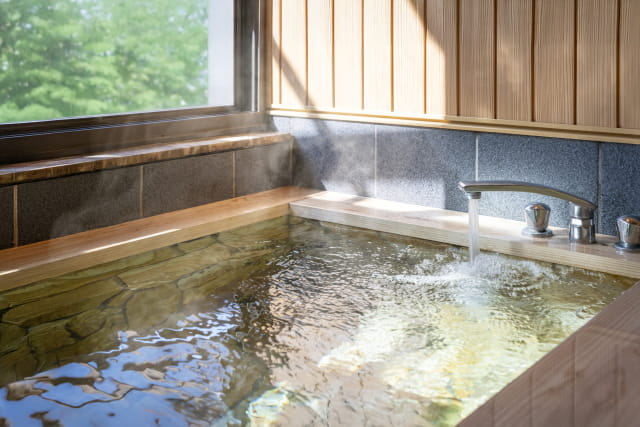
In addition, hot springs and public bathhouses in Japan require people to bathe naked rather than wearing swimsuits.
For foreigners who value personal privacy, this can initially feel like a major psychological barrier.
However, this custom is based on hygienic rules, where the bath is meant for soaking and warming the body, and people are expected to wash and clean themselves thoroughly before entering the bathwater.
9. Challenging Food Culture: Raw Foods, Sticky Foods, and Slurping Sounds
Japanese food culture contains several things that many foreigners consider “challenging”.
One major surprise is the custom of eating raw eggs with rice, known as tamago kake gohan (TKG), since raw eggs are often avoided overseas because of hygiene concerns.
Natto, known as a healthy food, is another challenge, as its distinctive smell and sticky texture make many foreigners hesitant to try it for the first time.
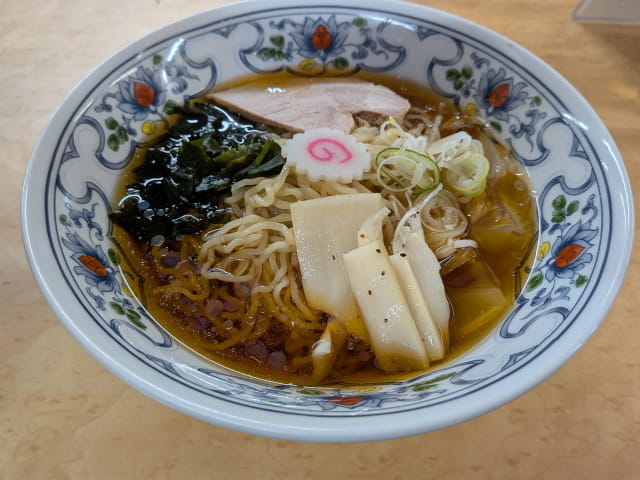
Furthermore, loudly slurping noodles such as ramen or soba is considered an expression of enjoyment in Japan.
However, because making noise while eating is generally considered rude in Western table manners, many foreign visitors find this confusing.
10. Words of Gratitude Before and After Meals: “Itadakimasu” and “Gochisousama Deshita”
In many countries, apart from religious prayers, it is not common to say special words of gratitude before and after meals.
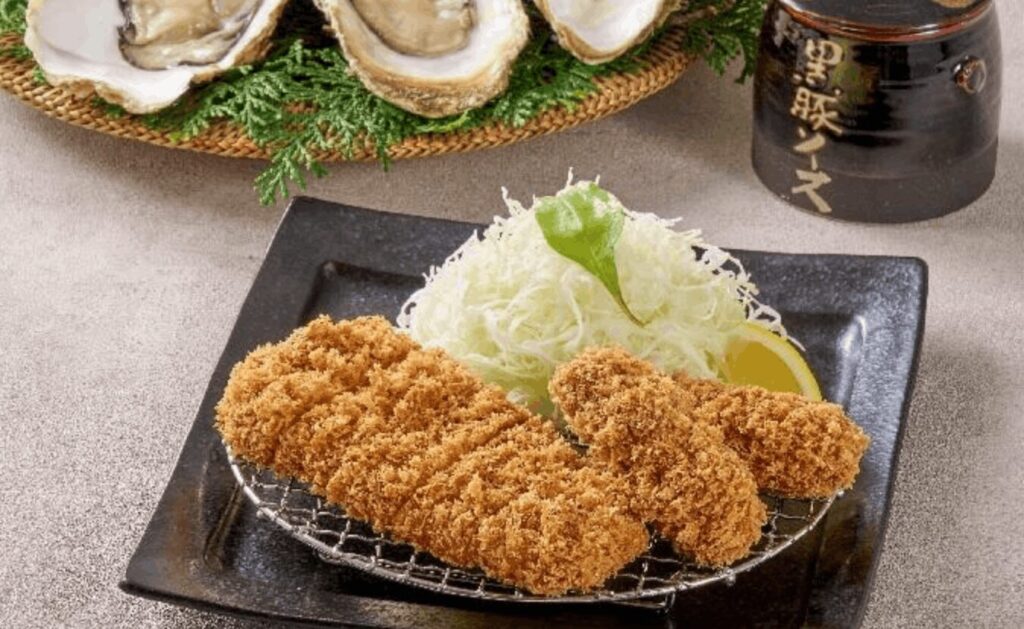
In Japan, however, people say “itadakimasu” before eating and “gochisousama deshita” after finishing a meal.
These expressions convey gratitude for “receiving life” and appreciation towards everyone, animals, and plants involved in preparing and providing the meal.
For many foreigners, the custom of expressing deep respect for food during every meal appears extremely graceful and moving.
11. Summary
All of these remarkable customs and forms of common sense found in Japan are built upon two key foundations: consideration for others and a high level of trust within society.
If this is your first time visiting Japan, these differences may feel confusing at first.
However, once you understand them, your journey will surely become smoother and more meaningful.
We hope you fully enjoy experiencing Japan’s “extraordinary everyday life”.
What are we?
We run Ninja Experience Cafe in Tokyo, Kyoto and Osaka, Japan.
Here you can immerse yourself in Japanese culture through experiencing ninja training.
Both adults and children are welcome to try their hand at defeating the ninja master inside the cafe.
The cafe is an indoor interactive zone, so it can be enjoyed even on rainy days.
If you are thinking "I want to be a real ninja too!” or interested in becoming a real ninja, please visit us.
Reservations can be made here.
Unauthorized copying and replication of the contents of this site, text and images are strictly prohibited.