The Complete Guide to Winter Sightseeing in Tokyo!
 Shinobu
Winter in Tokyo is a special season where tranquillity and glamour coexist within the cold air.
Illuminations sparkling between towering buildings, evening strolls with white breath drifting into the night, and steaming street food stalls all create a uniquely charming atmosphere.
Unlike the bustle of summer, winter in Tokyo has a calm ambience and a warmth that seems to embrace travellers.
In this article, we present a complete guide for foreign visitors interested in Japanese culture to fully enjoy Tokyo during winter.
From climate and clothing tips to popular sightseeing destinations, seasonal events, food experiences, and activities unique to Tokyo, we have gathered information that allows you to experience the season with all five senses.
Thinking “winter is too cold for sightseeing” would be a waste. In fact, winter is when Tokyo shines most beautifully throughout the year.
1. The Winter Climate in Tokyo
Winter in Tokyo mainly lasts from December to February, with average temperatures ranging from around 5°C to 10°C.
Because snowfall is rare, Tokyo is relatively easy to travel around during winter.
Roads rarely freeze, making it a comparatively comfortable season for tourists.
However, mornings and evenings can feel colder than expected, especially in January and February, when temperatures sometimes fall close to 0°C.
The air is also very dry, so skincare and keeping moisture through masks or other methods are important.
On the other hand, one of Tokyo’s greatest winter advantages is the large number of sunny days.
The contrast between the blue sky and the skyscrapers is beautiful, making winter ideal for photography.
Thanks to the clear air, views of Mount Fuji can often be seen from observation decks and rooftops across the city.
Some people imagine “winter in Tokyo” as a grey cityscape, but in reality, the contrast between light and shadow is vivid, and the city is wrapped in a unique winter clarity.
2. Clothing and Cold Weather Essentials for Sightseeing
Tokyo’s winter involves major temperature differences between indoors and outdoors, so layering clothes is essential.
A thick coat or down jacket is recommended outside, while wearing clothes that can easily be removed indoors is convenient.
Popular travel staples include Heattech-style innerwear and wool knitwear.
For female travellers, tights and boots are effective against the cold. For men, thick socks and highly insulating innerwear are recommended.
Winter accessories such as gloves, scarves, and knitted hats are also important.
Carrying a compact folding umbrella is useful in case of sudden rain.
If you plan to visit illuminations at night, you should definitely try Japan’s convenient “stick-on heat packs”, known as kairo.
Simply attaching them to the soles of your feet or your back can provide warmth for several hours.

3. Recommended Winter Sightseeing Spots
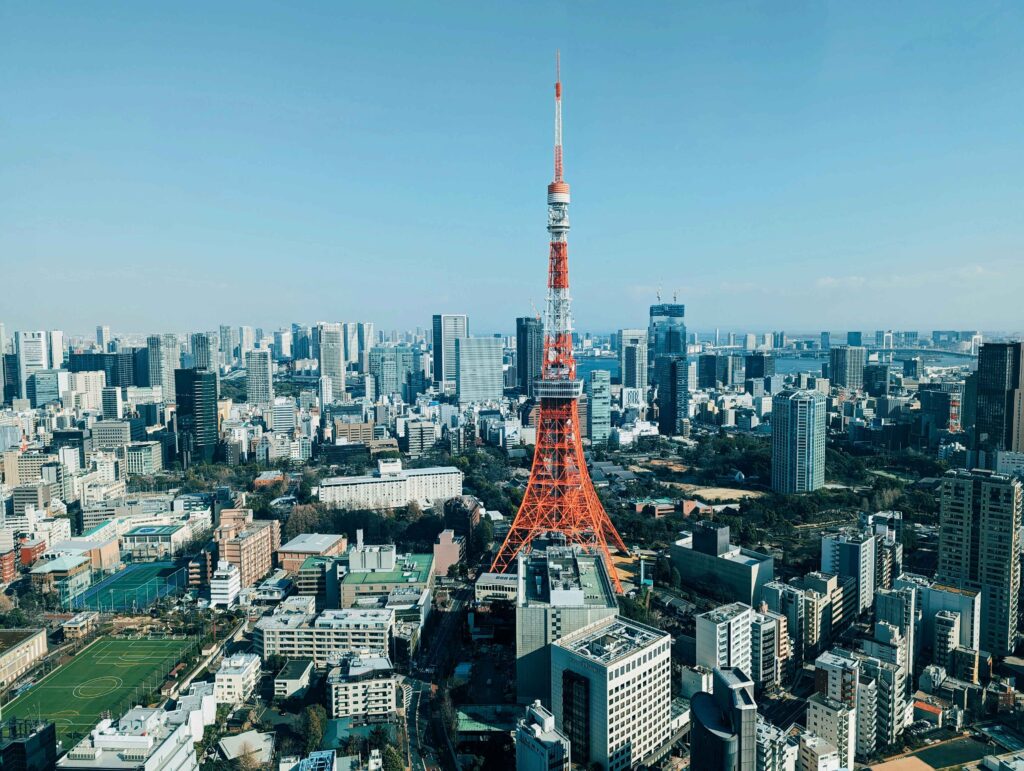
Tokyo Skytree and Tokyo Tower
Winter is the season of clear skies.
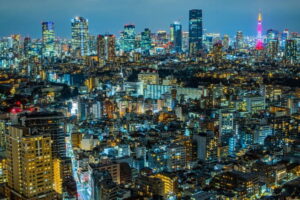
The daytime view of Mount Fuji and the jewel-like city lights at night are both breathtaking.
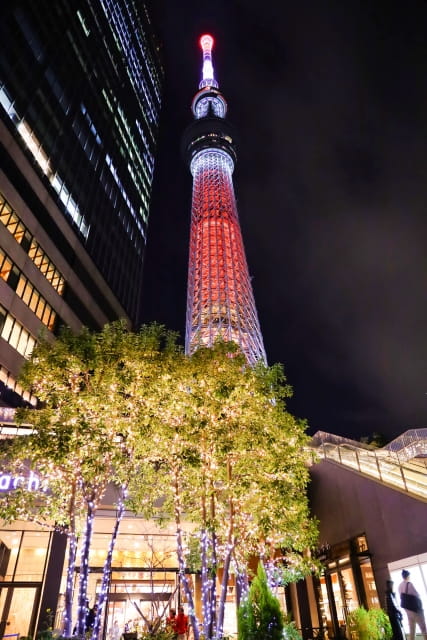
During the Christmas season, Tokyo Skytree is illuminated with three special lighting themes: “Ornament Tree”, “Elegant Tree”, and “Santa Claus”, surrounding the tower in festive light.
Meanwhile, Tokyo Tower shines with its traditional warm orange glow.
Comparing these “two contrasting night views of Tokyo” is one of the joys of winter travel.
Tokyo Tower Official Website
Tokyo Skytree Official Website
Asakusa and Ueno
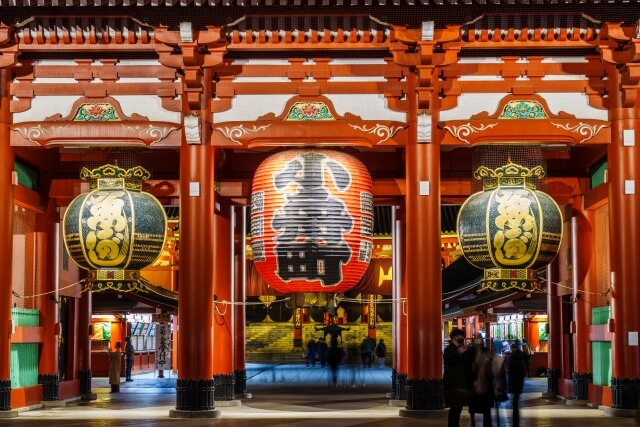
For travellers who want to immerse themselves in old Tokyo atmosphere, Asakusa is highly recommended.
At Sensoji Temple, a classic experience is to purify yourself with incense smoke for good health before enjoying warm ningyo-yaki cakes and amazake along Nakamise Street.
Exploring the museums of Ueno Park or meeting adorable animals at Ueno Zoo also adds colour to a winter trip in Tokyo.
Sensoji Temple Official Website
Ueno Zoo Official Website
Shibuya, Omotesando, and Marunouchi
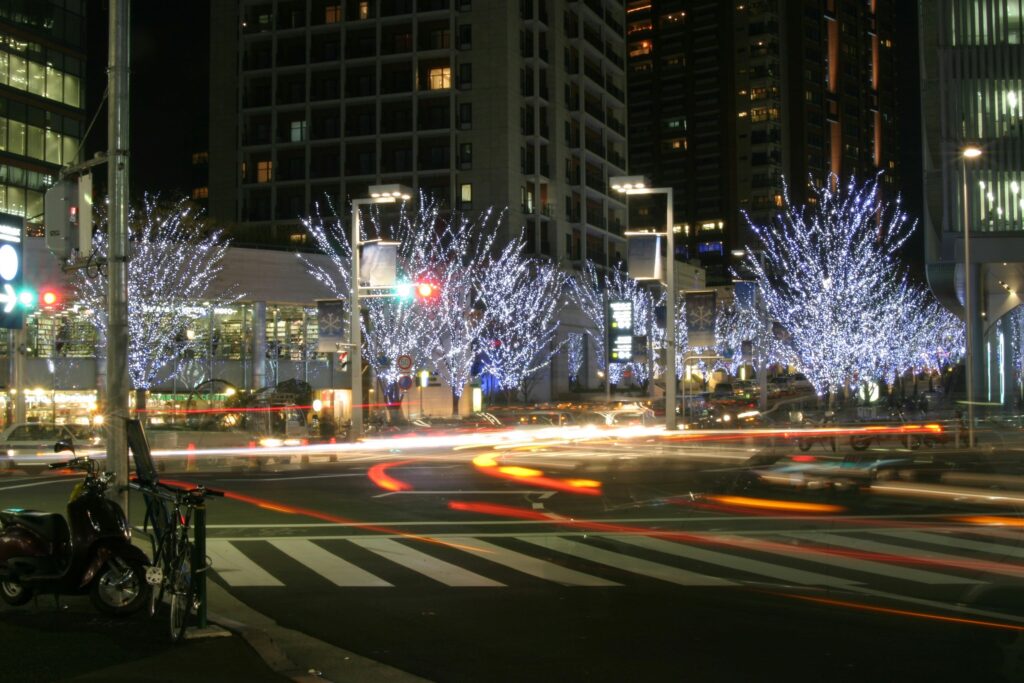
During the Christmas season, the entire city sparkles like a work of art.
The tree-lined avenue of Omotesando glows golden, while the Marunouchi business district is wrapped in elegant golden lights.
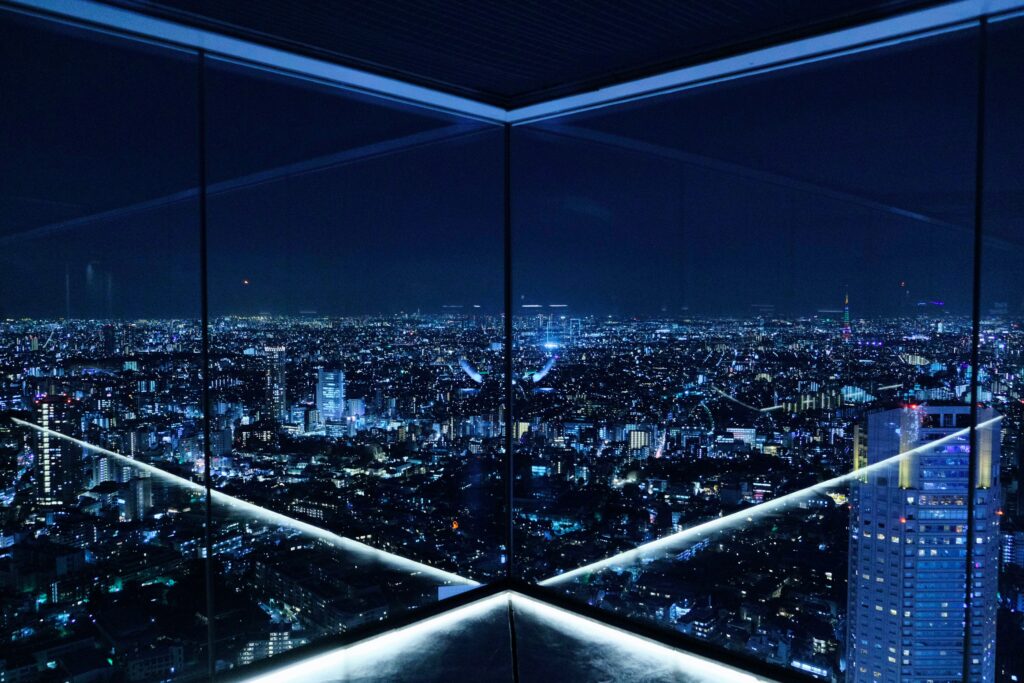
At SHIBUYA SKY, the observation deck of Shibuya Scramble Square, visitors can enjoy winter-exclusive sound and light performances.
SHIBUYA SKY Official Website
Shinjuku Gyoen and Yoyogi Park
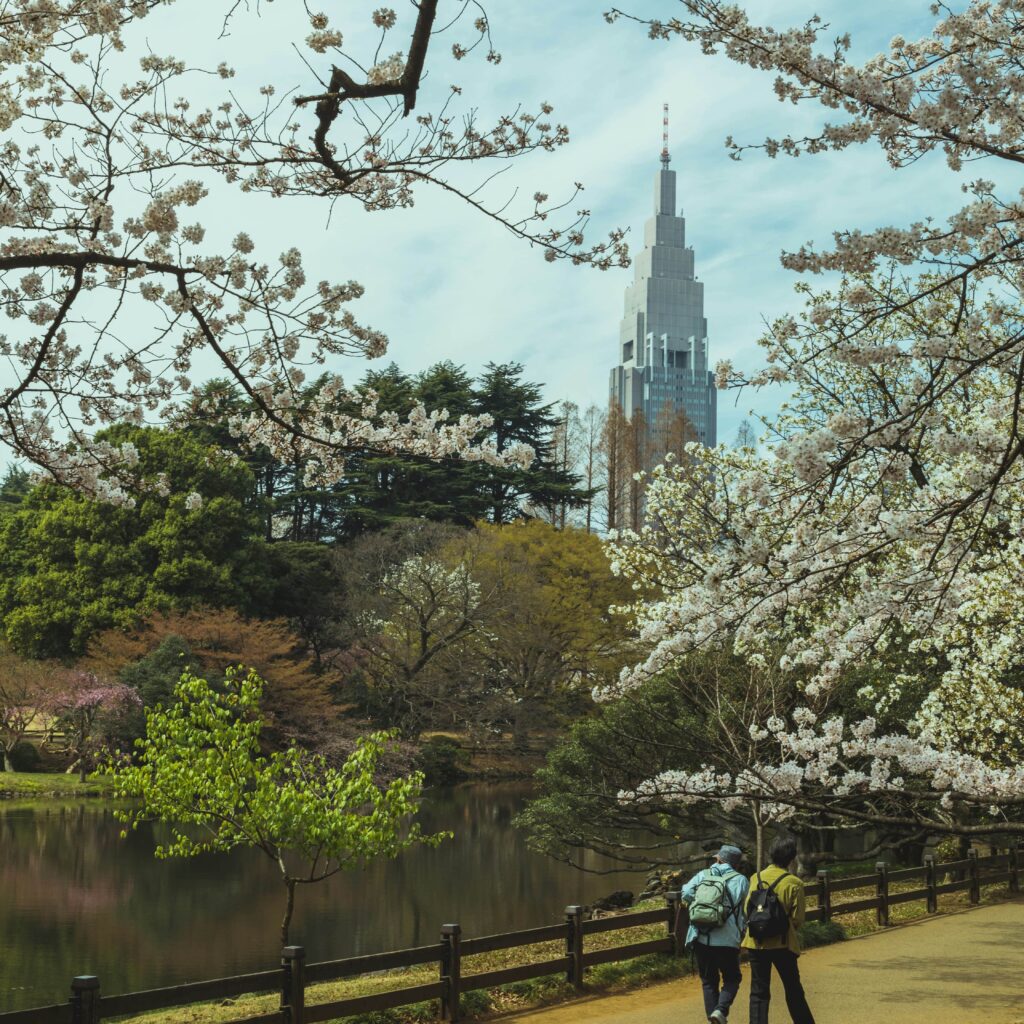
Parks become quiet during winter, making them perfect for peaceful walks.
Depending on the season, early-blooming plum blossoms and camellias begin to appear, allowing visitors to feel nature’s breath even within the city.
Take your time and enjoy the winter scenery with a warm drink in hand.
Shinjuku Gyoen Official Website
4. Winter-Exclusive Events
Tokyo Illumination Festivals
From late November to mid-February, nights across Japan become brighter than at any other time of year.
Popular illumination spots in Tokyo include Tokyo Midtown, Roppongi Hills, and Ebisu Garden Place.
In recent years, environmentally friendly LED eco-illuminations have become the standard, creating light displays that feel both fantastical and warm.
Many illumination venues are paired with Christmas markets, where visitors can enjoy festive food and shop for gifts.
Tokyo Midtown Official Website
Roppongi Hills Official Website
Yebisu Garden Place Official Website
Hatsumode and New Year Events
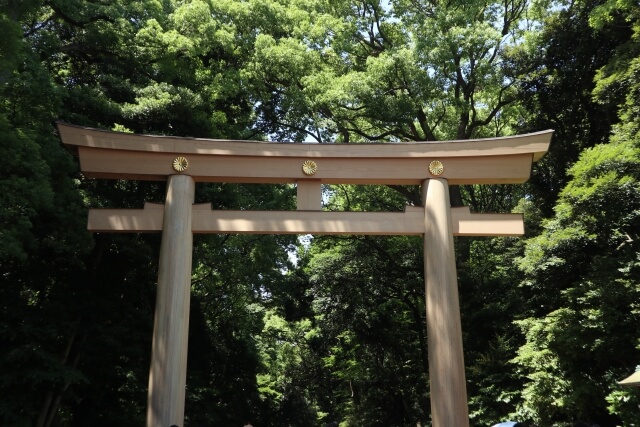
When the New Year begins, you should definitely experience hatsumode, the first shrine or temple visit of the year.
Meiji Jingu attracts one of the largest numbers of worshippers in Japan, with hundreds of thousands of people praying for good fortune in the coming year.
At shrines, visitors can receive lucky charms and goshuin temple stamps, and many also offer omikuji fortune slips.
At Sensoji Temple, food stalls line the approach from Kaminarimon Gate, filling the air with the scent of amazake and takoyaki.
If you want to experience a truly Japanese New Year atmosphere, this is the perfect season.
Meiji Jingu Shrine Official Website
Valentine’s Day and Setsubun Events
In February, department stores and shopping centres across Tokyo hold Valentine’s fairs.
In Japan, it is customary for women to give chocolates to men, and experiencing this cultural tradition is also recommended.
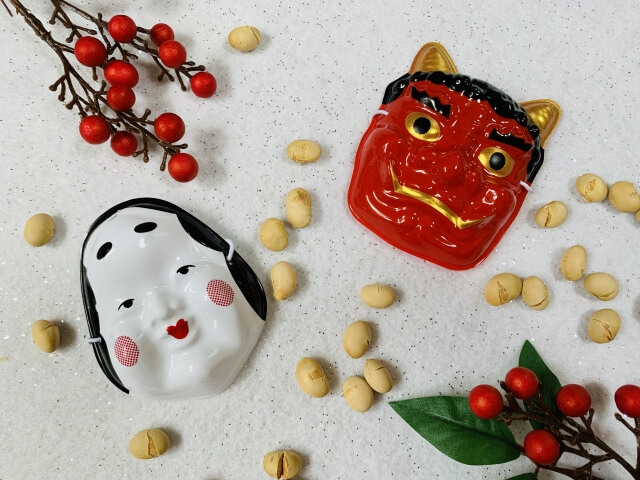
Around 3 February, Setsubun festivals are held at temples where visitors can participate in bean-throwing ceremonies to drive away evil spirits and pray for health throughout the year.
5. Winter Food Experiences in Tokyo
Warm Hot Pot Dishes and Oden
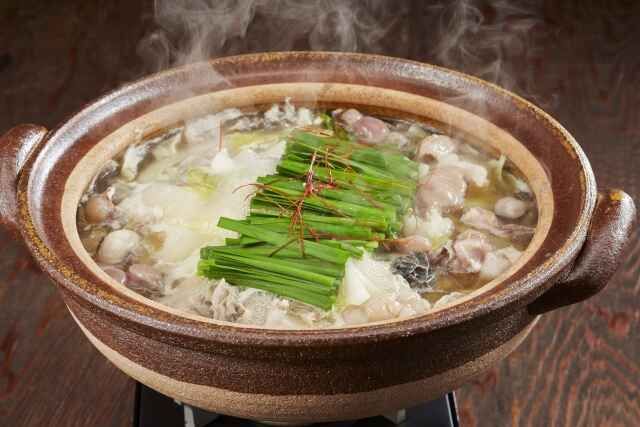
On cold winter nights, steaming hot pot dishes are considered a seasonal feast.
Yosenabe, chanko nabe, shabu-shabu, and sukiyaki are all comforting Japanese dishes filled with vegetables and gentle flavours.
At food stalls and izakaya pubs, oden is especially popular.
Ingredients such as daikon radish, eggs, and konjac are slowly simmered in broth, creating one of the iconic tastes of Japanese winter.
Ramen
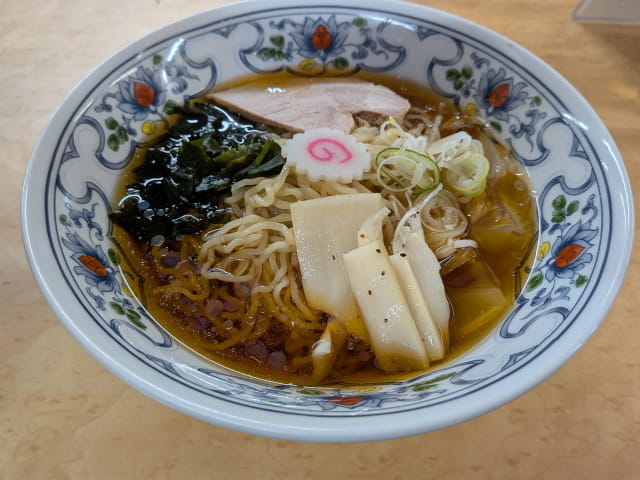
Tokyo is one of the world’s greatest ramen cities.
Few things are more comforting than eating ramen on a cold day.
Around stations such as Shinjuku, Ueno, and Ikebukuro, famous ramen shops serving miso, soy sauce, and tonkotsu broths stand side by side.
The number of vegan ramen speciality shops has also increased, allowing travellers with different religious backgrounds or dietary cultures to enjoy ramen comfortably.
Limited Edition Winter Desserts
Winter is an especially enjoyable season for dessert lovers.
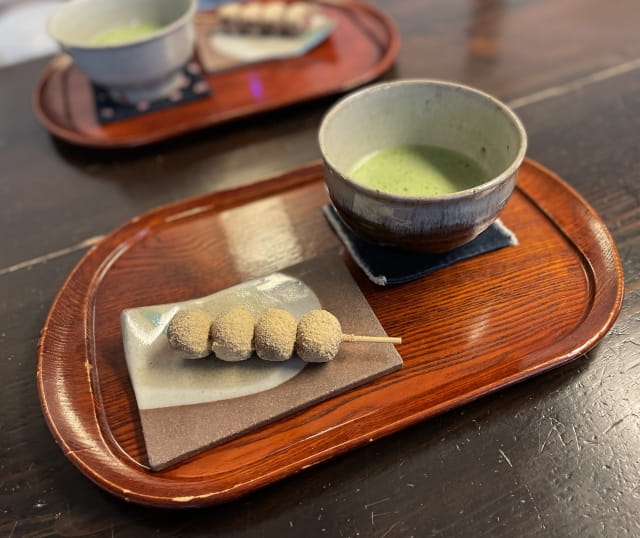
Limited-edition strawberry parfaits, taiyaki filled with sweet red bean paste, and matcha lattes all offer flavours that warm both body and heart.
In cafes around Harajuku and Ginza, desserts that combine beautiful Japanese presentation with delicate flavours are particularly popular.
6. Winter Activities
Onsen and Sento Tours
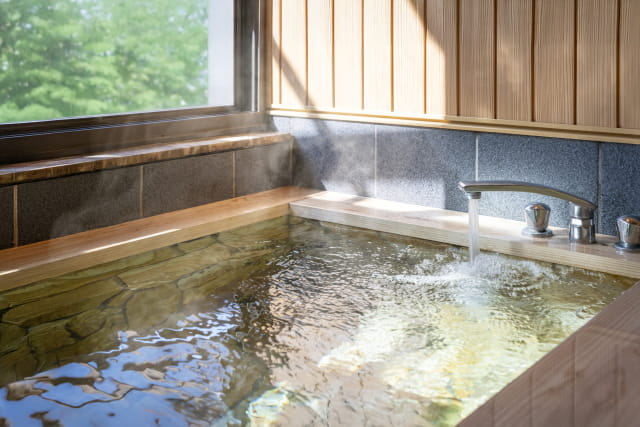
Tokyo has many hot spring facilities that can even be enjoyed within the city centre.
Popular choices among tourists include Sayano Yudokoro in Toshima Ward and Natural Hot Spring Heiwajima near Haneda Airport.
The moment of soaking in an open-air bath while feeling the cold winter breeze is truly exceptional.
For those interested in experiencing traditional sento bathhouse culture, touring retro bathhouses around Yanaka and Oshiage is also recommended.
Ice Skating Experiences
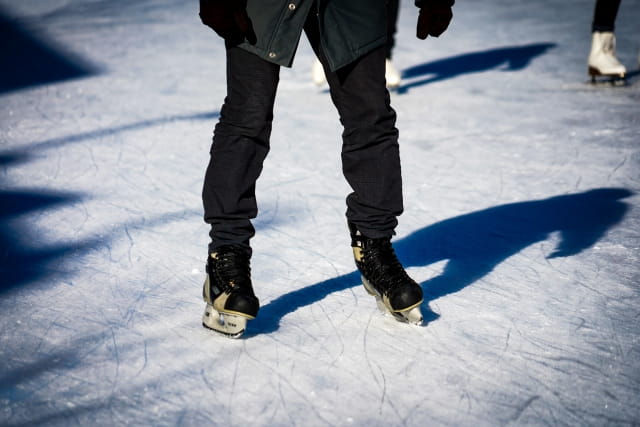
Outdoor ice skating rinks are another iconic feature of winter in Tokyo.
At Tokyo Midtown and Akasaka Sacas, the rinks become wrapped in magical illuminations after dark.
Even beginners can enjoy skating with confidence thanks to rental skates and support staff.
Ninja Experience Cafe
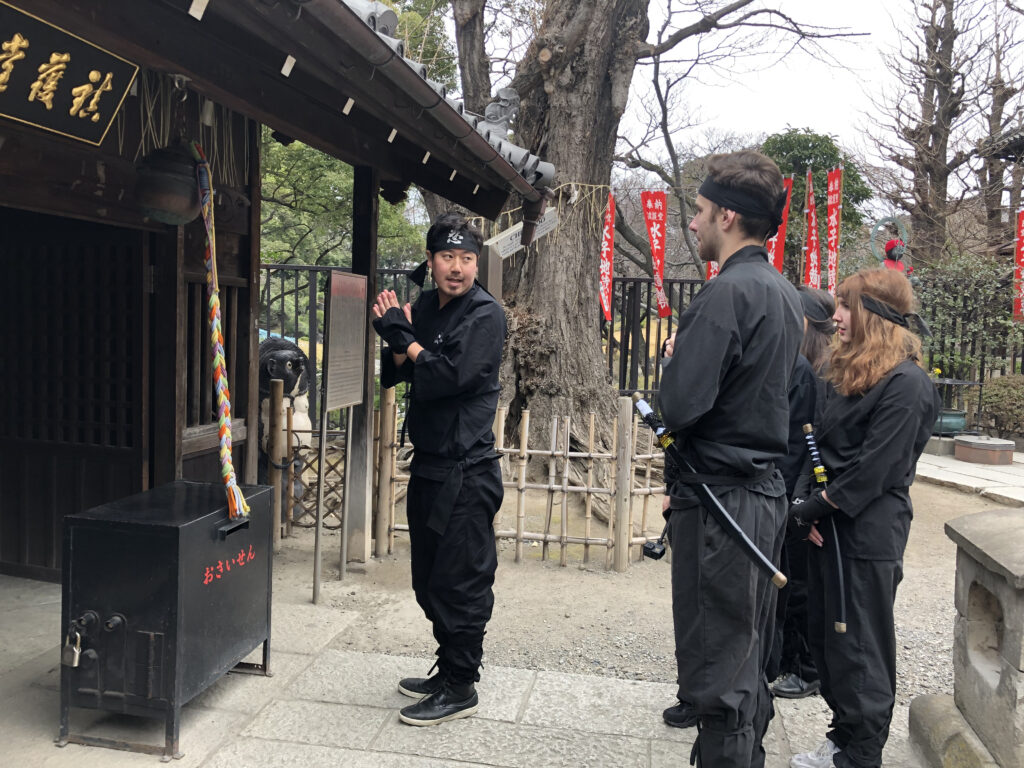
The Ninja Experience Cafe is an interactive entertainment facility themed around Japan’s ninja culture.
Inside, visitors can change into ninja costumes and enjoy activities such as shuriken throwing and ninja training experiences.
Guests can also enjoy meals and drinks in a space inspired by traditional Japanese aesthetics, making it an attractive place where sightseeing and entertainment can be enjoyed at the same time.
Popular with families and groups of friends, it is widely loved as a spot where people can casually experience Japanese culture while visiting Tokyo.
Food Sample Making Cafe
Food Sample Making Cafe is an interactive café where visitors can casually experience Japan’s unique “food sample” culture.
Guests can create highly realistic food samples such as omurice and spaghetti with their own hands, and can also enjoy taking photos and dining while displaying their finished creations alongside the actual dishes.
Since the staff provide careful support throughout the experience, even first-time visitors can participate with confidence.
Set within an Asakusa-style Japanese atmosphere, it is the perfect spot for making memories while enjoying both craftsmanship and food.
7. Summary
Winter in Tokyo is a season where silence and light exist in harmony.
Whether it is gazing at the night skyline from a skyscraper observatory, offering New Year prayers at a shrine, or seeing smiling faces through rising steam, every moment leaves a deep impression on travellers.
As long as you dress warmly, winter in Tokyo is surprisingly comfortable and offers experiences that remain unforgettable both in photographs and in memory.
What are we?
We run Ninja Experience Cafe in Tokyo, Kyoto and Osaka, Japan.
Here you can immerse yourself in Japanese culture through experiencing ninja training.
Both adults and children are welcome to try their hand at defeating the ninja master inside the cafe.
The cafe is an indoor interactive zone, so it can be enjoyed even on rainy days.
If you are thinking "I want to be a real ninja too!” or interested in becoming a real ninja, please visit us.
Reservations can be made here.
Unauthorized copying and replication of the contents of this site, text and images are strictly prohibited.