8 Breathtaking Rural Landscapes in Japan
 Shinobu
Japan’s appeal is not limited to the busy streets of Tokyo or Osaka.
The deepest essence of Japanese culture and the most breathtaking natural beauty often lie in the countryside scattered across the map.
Ancient forests shaped by a thousand years of time.
Mountain villages buried in winter snow with traditional gassho style houses.
A vermilion torii gate rising quietly from the calm waters of the Seto Inland Sea.
This article selects eight remarkable destinations for travelers who want to explore the authentic spirit of Japan. These places offer experiences impossible to find in crowded city attractions.
- Shirakawa-go: A Magical Village Buried in Snow (Gifu)
- Kanazawa: A Samurai City of Elegance in Hokuriku (Ishikawa)
- Tottori: Natural Sculptures of Sand and Stars (Tottori)
- Shiretoko: The Wild Kingdom (Hokkaido)
- Kamikochi: Sacred Valley of the Japanese Alps (Nagano)
- Miyajima: A Vermilion Shrine Floating on the Sea (Hiroshima)
- Yakushima: Moss Covered Forests Older Than History (Kagoshima)
- Kurashiki: Nostalgic Canals and White Storehouses (Okayama)
- Summary
1. Shirakawa-go: A Magical Village Buried in Snow (Gifu)
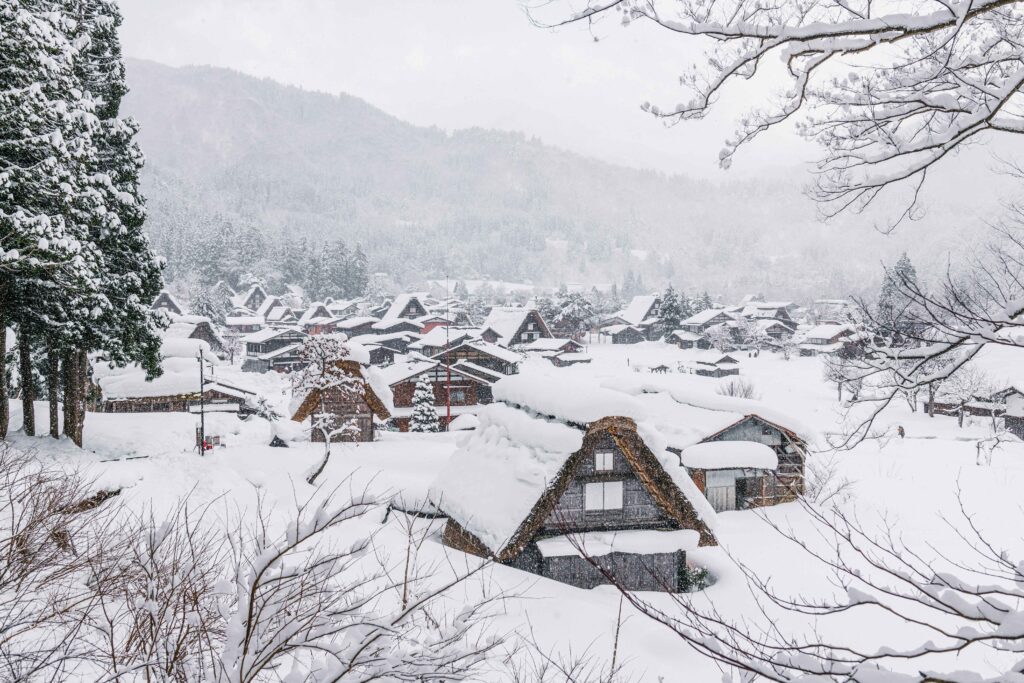
Shirakawa-go is a World Heritage village deep in the mountains of Gifu Prefecture.
It is famous for its traditional gassho-zukuri farmhouses with steep thatched roofs.
This architectural style was designed to survive heavy winter snowfall.
The buildings reflect centuries of wisdom developed by people who lived in harmony with harsh nature.
- Highlights: The Ogimachi Castle Observation Deck offers a panoramic view of the entire village.
During winter illumination events the snow covered houses glow softly in the darkness.
The scenery feels like a fairy tale brought to life.
Visitors can also explore historic houses such as the Nagase House and the Wada House.
These buildings reveal massive wooden beams assembled without nails.
Exhibits also explain the former silk farming culture of the region.
- Access: About 50 minutes by highway bus from JR Takayama Station. About 1 hour 15 minutes by highway bus from Kanazawa Station.
- Shirakawago Official Website
2. Kanazawa: A Samurai City of Elegance in Hokuriku (Ishikawa)
Kanazawa avoided major damage during World War II.
Because of this history the city preserves the atmosphere of an Edo period castle town.
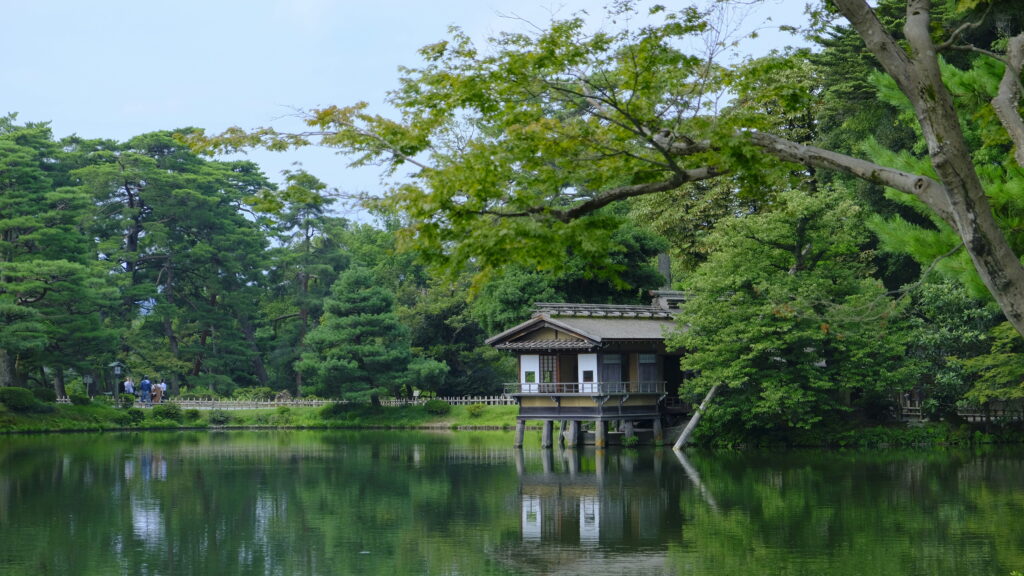
Samurai residences, historic teahouse districts, and Kenrokuen Garden create a city rich with traditional beauty.
- Highlights: Higashi Chaya District features elegant wooden teahouses with distinctive red lattice windows.
- Kenrokuen Garden offers a famous winter scene called yukitsuri where ropes support tree branches under heavy snow. The geometric lines create a stunning visual landscape.
Kanazawa is also known for gold leaf production.
Visitors can even try gold leaf covered ice cream for a memorable local experience.
- Access: About 2 hours 30 minutes from Tokyo Station by Hokuriku Shinkansen. About 2 hours 15 minutes from Kyoto Station by limited express Thunderbird.
- Kanazawa Tourist Information Website
3. Tottori: Natural Sculptures of Sand and Stars (Tottori)
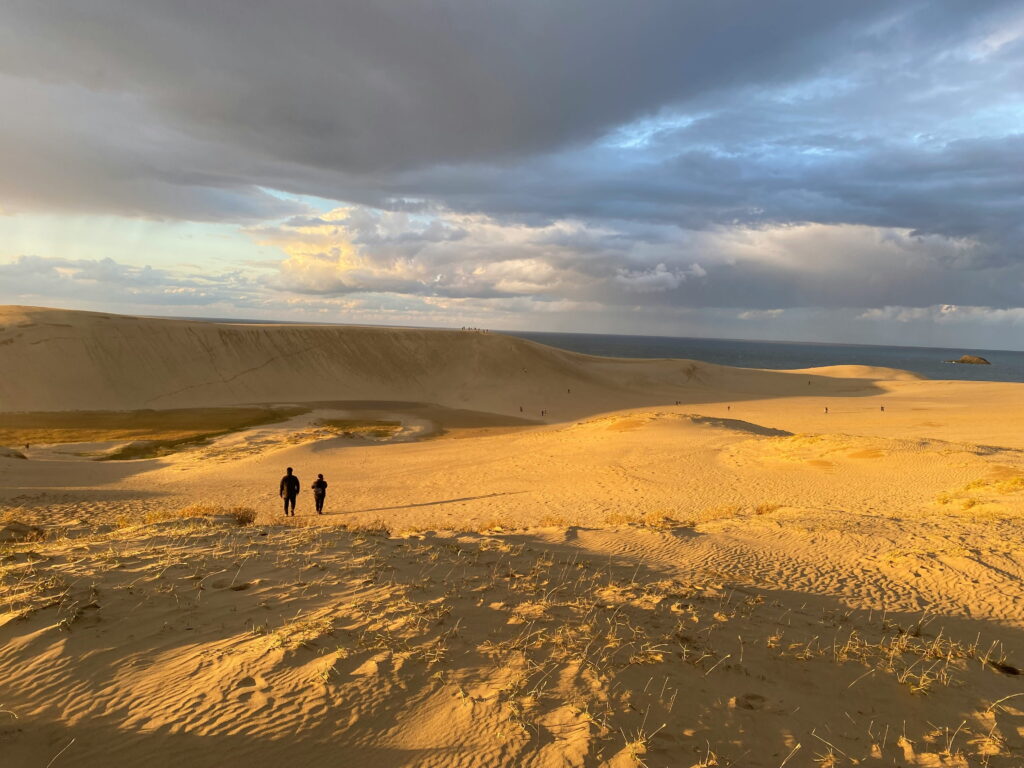
The Tottori Sand Dunes form one of the largest dune landscapes in Japan.
Wind from the Sea of Japan constantly shapes the sand into patterns known as wind ripples.
Stepping into the dunes feels like entering an endless desert far from Japan.
- Highlights: The sunset view from the top of the dunes is unforgettable. Sky, sea, and sand blend into a surreal landscape.
Nearby stands the Sand Museum, the first museum in the world dedicated to sand sculptures.
Massive artworks made entirely from sand create a striking visual experience.
At night the area becomes incredibly dark.
Because of this Tottori is sometimes called the Star Taking Prefecture.
The Milky Way shines brightly above the dunes, creating magical night photography opportunities.
- Access:About 20 minutes by bus from JR Tottori Station. About 20 minutes by taxi from Tottori Sand Dunes Conan Airport.
- Tottori Sand Dunes Official Website
4. Shiretoko: The Wild Kingdom (Hokkaido)
The Shiretoko Peninsula is one of Japan’s most untouched natural areas.
The name comes from the indigenous Ainu language meaning the end of the earth.
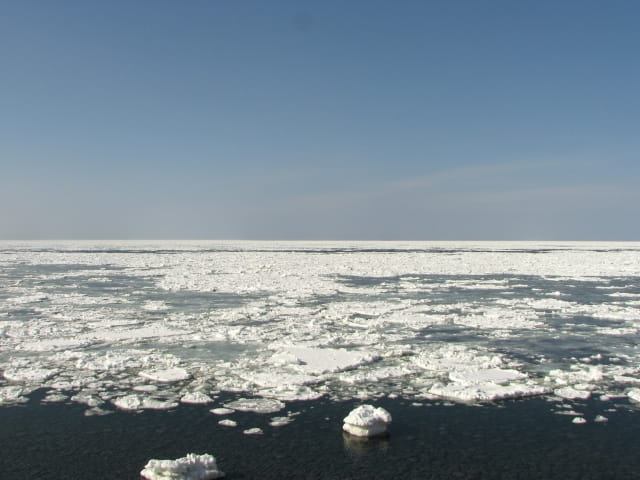
Nutrients carried by drifting sea ice support a unique ecosystem.
Visitors may encounter wildlife such as brown bears, red foxes, and Steller’s sea eagles.
- Highlights: The Shiretoko Five Lakes trail winds through pristine forests. The surrounding mountains reflect beautifully on the calm water.
Boat tours reveal dramatic cliffs along the coastline.
In winter the sea becomes covered with pure white drift ice.
The scenery feels powerful and primal.
Kamuiwakka Falls offers a rare experience where the river itself forms a natural hot spring.
Visitors can climb the warm stream toward the waterfall.
- Access: From Memanbetsu Airport take a bus to Shari. Continue to Utoro by bus. Total travel time about 2 hours 15 minutes.
- Shiretoko Tourist Information Website
5. Kamikochi: Sacred Valley of the Japanese Alps (Nagano)
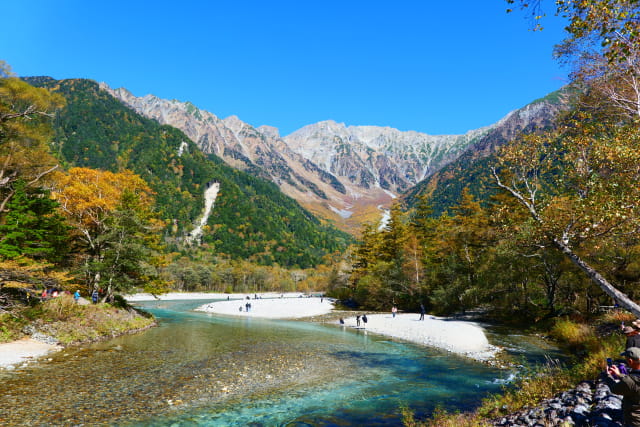
Kamikochi lies at an elevation of about 1,500 meters in Nagano Prefecture.
It is one of Japan’s most beautiful mountain resorts.
Private cars are restricted to protect the environment.
As a result the air remains pure.
The rivers stay remarkably clear.
- Highlights: Kappa Bridge offers the most famous view in Kamikochi. The dramatic peaks of the Hotaka Mountains rise beyond the Azusa River.
Taisho Pond creates an eerie landscape of standing dead trees.
Myojin Pond provides a calm spiritual atmosphere.
Early mornings near Tashiro Pond bring drifting mist across wetlands.
Visitors sometimes see wild Japanese macaques or rare alpine plants.
- Access: Take the Matsumoto Electric Railway from JR Matsumoto Station to Shin-Shimashima Station. Continue about one hour by bus or taxi.
- Kamikochi Official Website
6. Miyajima: A Vermilion Shrine Floating on the Sea (Hiroshima)
Miyajima is an island in the Seto Inland Sea.
For centuries the entire island has been considered sacred.
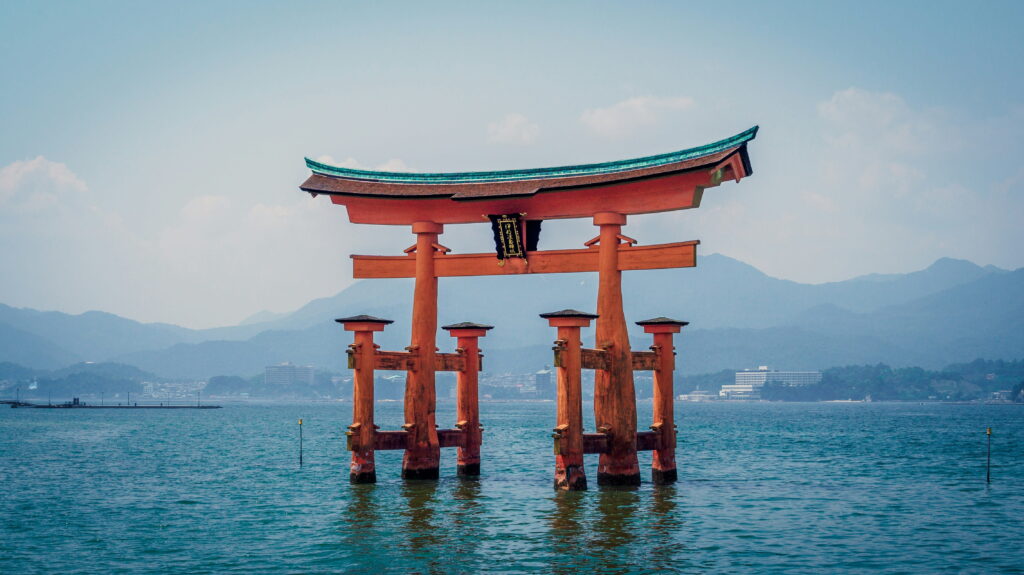
The island is home to Itsukushima Shrine, a UNESCO World Heritage site.
- At high tide the giant torii gate appears to float on the sea. The shrine buildings glow with brilliant vermilion color. This scenery represents one of the most iconic views in Japan.
During low tide visitors can walk directly to the base of the gate.
The enormous scale becomes clear at close range.
Mount Misen can be reached by ropeway.
The summit offers panoramic views across the scattered islands of the Seto Inland Sea.
- Access: From JR Hiroshima Station take the JR Sanyo Line to Miyajimaguchi Station. Continue by ferry for about 10 minutes.
- Miyajima Tourist Association Website
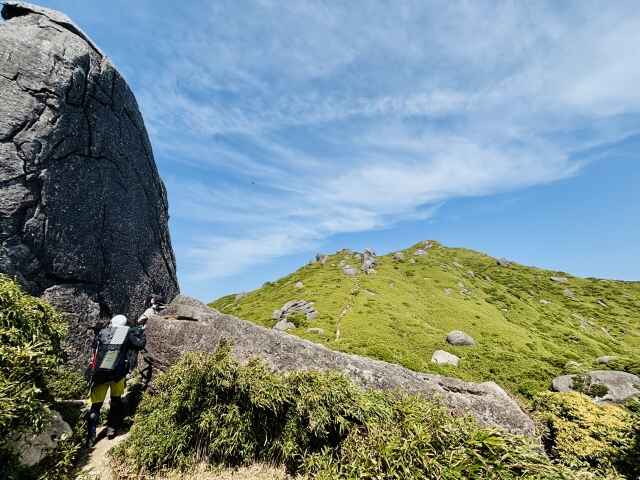
7. Yakushima: Moss Covered Forests Older Than History (Kagoshima)
Yakushima lies south of Kagoshima.
The island contains mystical forests filled with Yakusugi cedar trees more than one thousand years old.
Frequent rainfall keeps the island lush and green.
Moss carpets the forest floor almost everywhere.
- Highlights: Shiratani Unsuikyo Ravine is famous for its glowing moss forest. The scenery inspired landscapes seen in fantasy films.
The Jomon Sugi cedar stands deep in the mountains.
Reaching it requires about ten hours of trekking.
The massive tree inspires deep respect for nature.
Hirauchi Kaichu Onsen offers a rare seaside hot spring.
The bath appears only for a few hours around low tide.
Visitors soak while listening to waves.
- Access: Flights connect Kagoshima Airport or Fukuoka Airport with Yakushima Airport. High speed ferries run from Kagoshima Port in about two hours.
- Yakushima Tourism Association Website
8. Kurashiki: Nostalgic Canals and White Storehouses (Okayama)
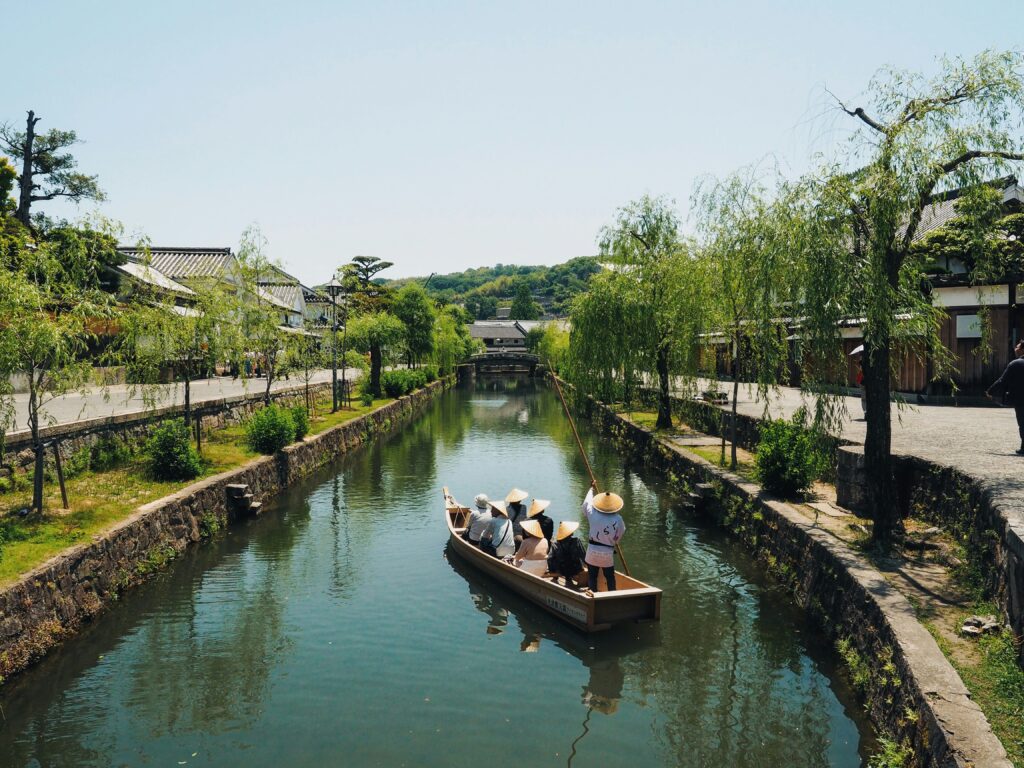
Kurashiki Bikan Historical Quarter preserves a beautifully restored merchant district from the Edo period.
White plaster walls, black roof tiles, and willow trees along the canal create a peaceful atmosphere.
- Highlights: The Kurashiki River boat ride offers an elegant way to see the district. From the water visitors enjoy a quiet view of traditional houses.
The Ohara Museum of Art stands nearby.
It was Japan’s first museum dedicated to Western art.
Visitors can view world famous paintings within a historic Japanese townscape.
At night the district becomes softly illuminated.
Reflections of white walls shimmer on the canal surface, creating a romantic evening atmosphere.
- Access: About 15 minutes from JR Okayama Station to Kurashiki Station by JR Sanyo Line. Walk about 10 minutes to reach the historical district.
- Kurashiki Tourism Website
9. Summary
Rural Japan offers scenery and silence rarely found in major cities.
The landscapes introduced here reflect traditions and natural beauty carefully preserved for generations.
Photographs taken in these places become more than simple memories.
They represent a personal encounter with the spirit of Japan.
Why not continue deeper into the country and discover your own hidden scenic treasure?
What are we?
We run Ninja Experience Cafe in Tokyo, Kyoto and Osaka, Japan.
Here you can immerse yourself in Japanese culture through experiencing ninja training.
Both adults and children are welcome to try their hand at defeating the ninja master inside the cafe.
The cafe is an indoor interactive zone, so it can be enjoyed even on rainy days.
If you are thinking "I want to be a real ninja too!” or interested in becoming a real ninja, please visit us.
Reservations can be made here.
Unauthorized copying and replication of the contents of this site, text and images are strictly prohibited.