16 Best Mt. Fuji View Spots: The Complete Guide
 Shinobu
Mount Fuji stands as the ultimate symbol of Japan.
Its perfectly shaped conical silhouette has inspired artists for centuries and continues to captivate travelers from around the world today.
Yet Mount Fuji reveals completely different faces depending on where you see it, the viewing angle, and the season.
From modern cityscapes seen beyond Tokyo’s skyscrapers to the famous “upside-down Fuji” reflected on calm lakes, and even the dramatic scene of a red five-story pagoda standing before the mountain, the variety of views is truly remarkable.
In this guide, we carefully select the most spectacular Mount Fuji viewing spots by region and introduce nearby activities you can enjoy along the way.
- Tokyo Area: Mount Fuji Rising Beyond the Megacity Skyline
- Tokyo Tower, Tokyo Skytree, Tokyo Metropolitan Government Building, Mount Takao
- Fuji Five Lakes Area: Stunning Beauty Created by Water and Tradition
- Arakurayama Sengen Park, Lake Kawaguchi, Oshino Hakkai, Lake Motosu, Fuji-Q Highland
- Shizuoka Area: A Dramatic View Across Suruga Bay
- Miho no Matsubara, Izu Peninsula, Lake Tanuki
- Other Areas: Lakes, Oceans, Cities, and Mount Fuji
- Lake Ashi, Enoshima, Minatomirai 21, Boso Peninsula
- Summary
1. Tokyo Area: Mount Fuji Rising Beyond the Megacity Skyline
Even from Tokyo, one of the world’s largest metropolises, Mount Fuji can be seen surprisingly clearly on sunny days.
The contrast between modern architecture and ancient nature creates a uniquely cool view found only in Tokyo.
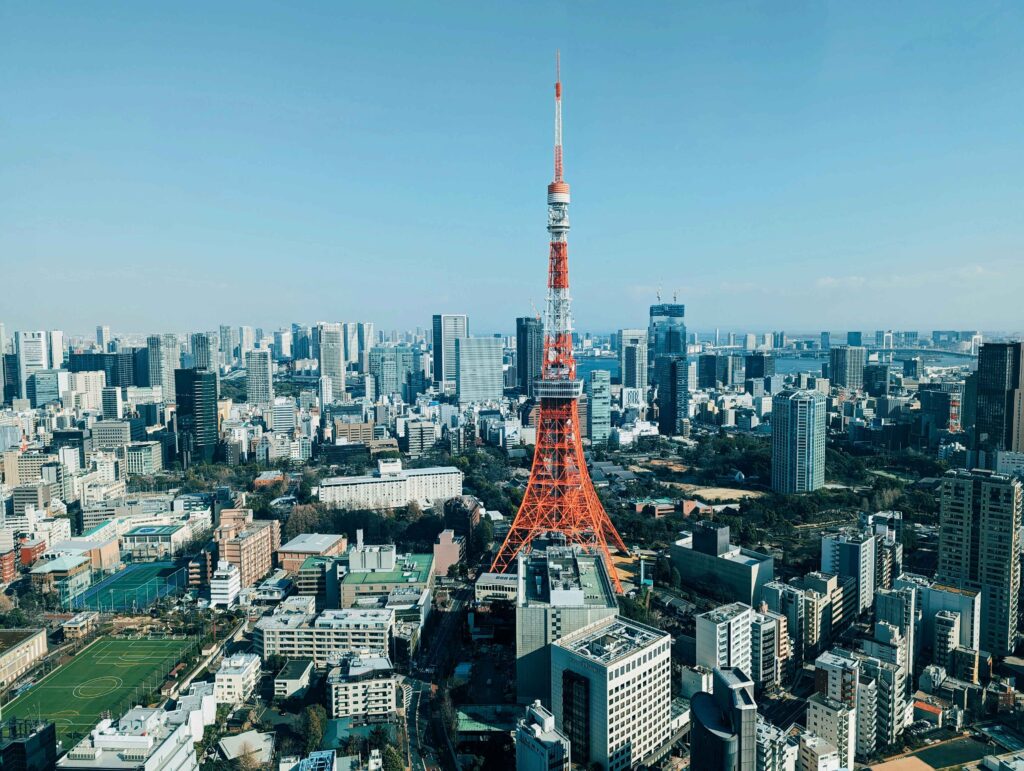
Tokyo Tower – Retro scenery with a red tower and the sacred mountain
You can enjoy the silhouette of Mount Fuji aligning with the setting sun beyond Tokyo’s iconic red tower.
Highlight: From the Main Deck, Mount Fuji appears beyond the dense skyline of Tokyo, creating a dramatic composition that looks like a scene from a movie.
Access: About a 5 minute walk from Akabanebashi Station on the Toei Oedo Line.
Tokyo Tower Official Website
Tokyo Skytree – A panoramic view from 450 meters above the ground
The view from the world’s tallest freestanding broadcasting tower offers a massive panorama stretching across the Kanto Plain.
Highlight: From the 450 meter Tembo Galleria observation corridor, you can see Mount Fuji almost at eye level with the clouds, creating the sensation of walking in the sky.
Access: Directly connected to Tokyo Skytree Station on the Tobu Skytree Line.
Tokyo Skytree Official Website
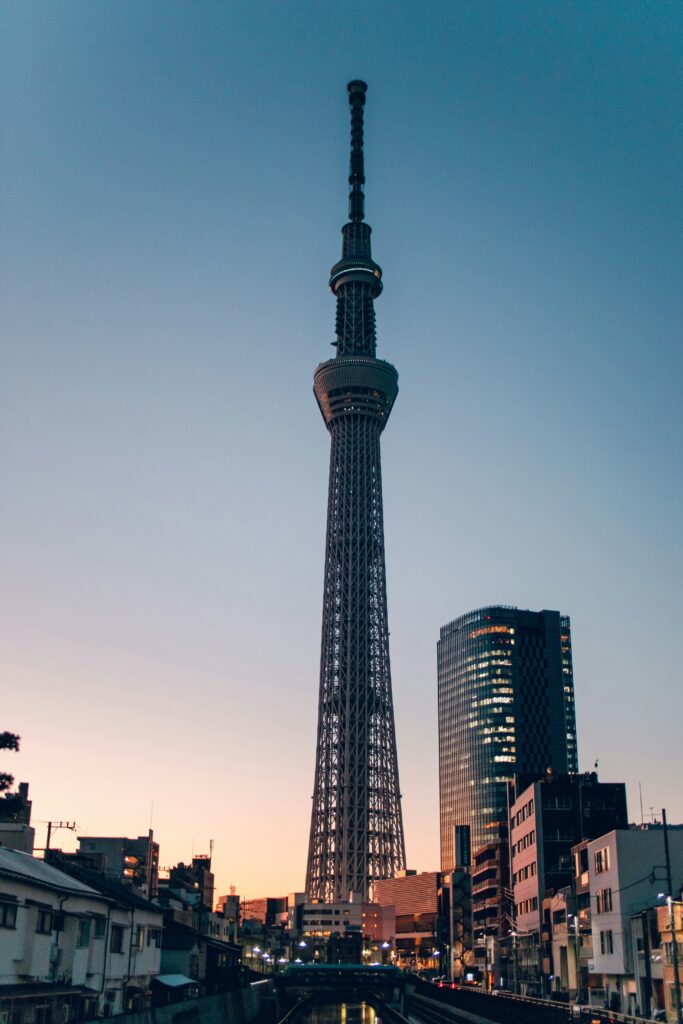
Tokyo Metropolitan Government Building Observatory – The western giant beyond the skyscrapers
Located in the skyscraper district of Nishi-Shinjuku, this observatory allows visitors to enjoy a panoramic view of Tokyo from 202 meters above ground for free.
Highlight: On clear winter days, the majestic shape of Mount Fuji appears sharply behind the city skyline.
Access: Directly connected to Tochomae Station on the Toei Oedo Line.
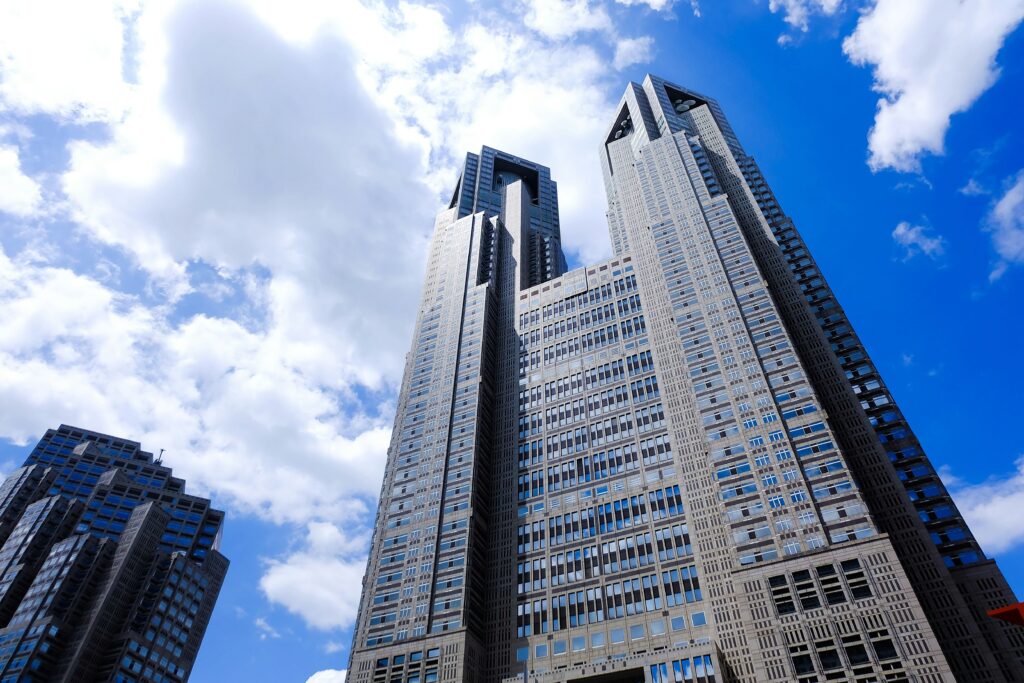
Mount Takao – The closest natural observation deck to central Tokyo
Mount Takao is a convenient nature escape from Tokyo and holds three stars in the Michelin Green Guide.
Highlight: From the summit observation area you can enjoy an unobstructed mountain view of Mount Fuji. Around the winter solstice you may witness the famous “Diamond Fuji,” when the sun aligns with the summit.
Access: Take the cable car or chair lift from Takaosanguchi Station on the Keio Line and hike to the summit.
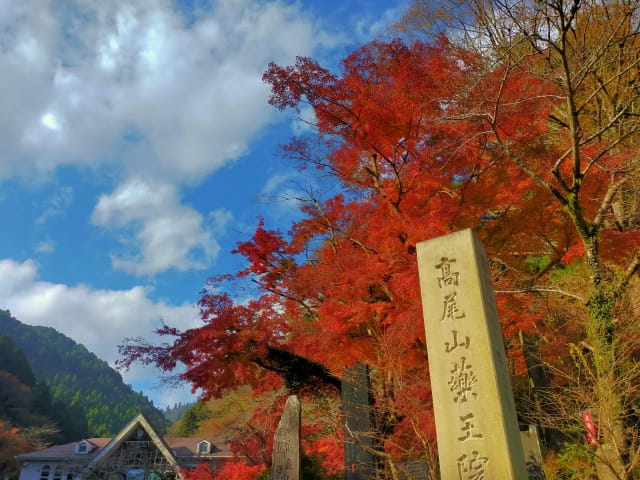
2. Fuji Five Lakes Area: Stunning Beauty Created by Water and Tradition
Located north of Mount Fuji in Yamanashi Prefecture, the Fuji Five Lakes region is one of the best places to view the mountain up close.
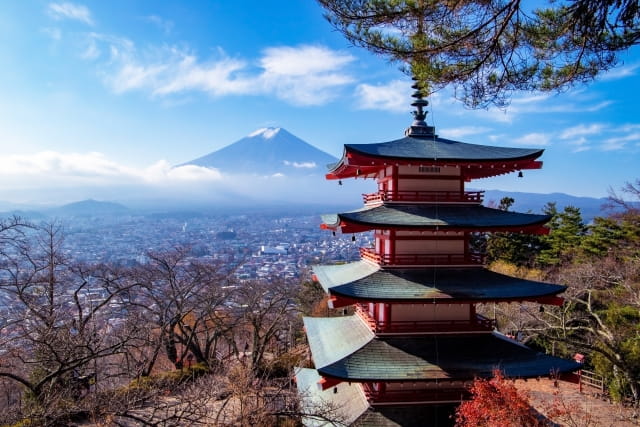
Arakurayama Sengen Park – The iconic view of Japan with a pagoda, cherry blossoms, and Fuji
This iconic location features a red pagoda, cherry blossoms in spring, and Mount Fuji all within a single frame.
Highlight: The observation deck offers the famous “postcard view of Japan,” attracting photographers from around the world.
Access: About a 20 minute walk from Shimoyoshida Station on the Fujikyu Railway, followed by climbing 398 steps.
Arakurayama Sengen Park Reference Website
Lake Kawaguchi – Perfect “mirror Fuji” reflected on the lake
Lake Kawaguchi is the most developed tourist destination among the Fuji Five Lakes.
Highlight: From Oishi Park on the north shore, you can see “upside-down Fuji” reflected on the lake, along with seasonal flowers such as lavender and kochia.
Access:About 30 minutes by sightseeing bus from Kawaguchiko Station.
Lake Kawaguchi Tourism Website
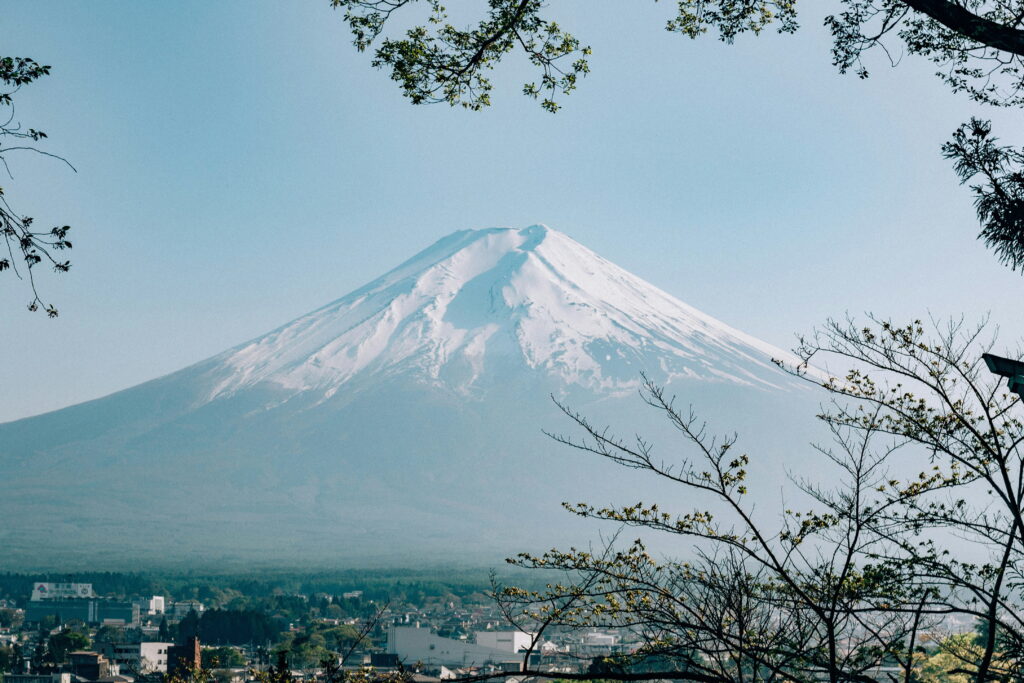
Oshino Hakkai – Traditional scenery with crystal spring water and thatched roofs
This small village features eight clear ponds fed by melted snow from Mount Fuji.
Highlight: Thatched roof houses, transparent spring water, and Mount Fuji in the background create a nostalgic landscape representing traditional Japan.
Access: About 20 minutes by bus from Kawaguchiko Station or Fujisan Station.
Oshino Hakkai Reference Website
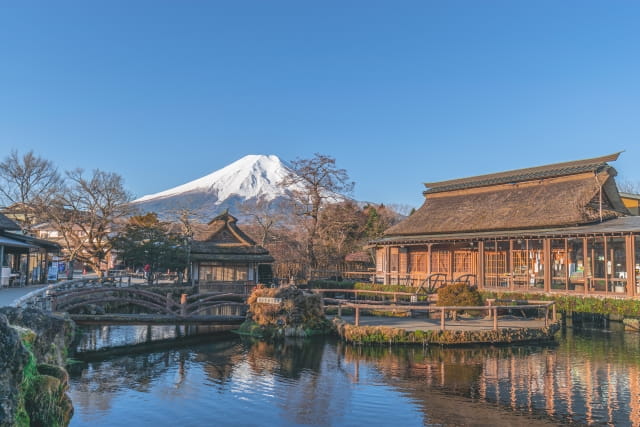
Lake Motosu – The peaceful lakeside view featured on the 1,000-yen bill
Lake Motosu is known for its deep, clear water and served as the model for the Mount Fuji illustration on the Japanese 1,000 yen banknote.
Highlight: From the Nakanokura Pass observation point you can see the exact view depicted on the banknote.
Access: About 50 minutes by bus from Kawaguchiko Station.
Lake Motosu Official Website
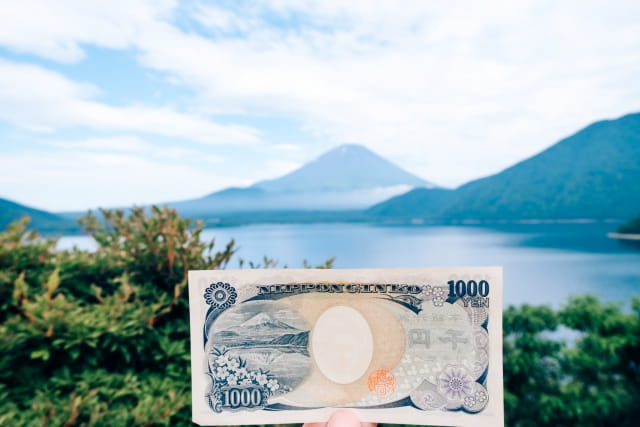
Fuji-Q Highland – Experience thrilling rides with Mount Fuji as the backdrop
This theme park features some of the world’s most intense roller coasters.
Highlight: Near the peak of certain rides, Mount Fuji suddenly appears directly in front of you, creating an unforgettable moment.
Access: Right next to Fuji-Q Highland Station on the Fujikyu Railway.
Fuji-Q Highland Official Website
3. Shizuoka Area: A Dramatic View Across Suruga Bay
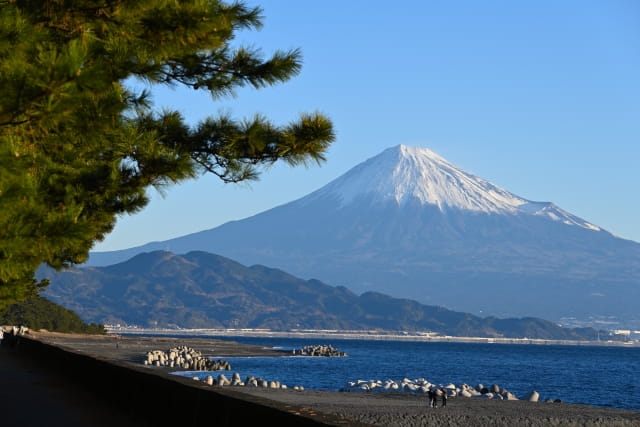
From the Shizuoka side, Mount Fuji rises dramatically from sea level, emphasizing its immense scale.
Miho no Matsubara – White sand and pine trees straight from a classic ukiyo-e painting
A seven kilometer stretch of pine trees along white sand creates a landscape reminiscent of traditional ukiyo-e prints.
Highlight: This UNESCO World Heritage component site showcases the perfect harmony between Mount Fuji and Japan’s traditional coastal scenery.
Access: About 20 minutes by bus from JR Shimizu Station.
Miho no Matsubara Official Website
Izu Peninsula – Mount Fuji rising across the sea
The peninsula offers scenic coastal drives and hot spring resorts with views of Mount Fuji across Suruga Bay.
Highlight: From places such as Heda or Osezaki in western Izu, you can see the mountain together with a dramatic sunset over the ocean.
Access: Travel from Mishima Station via the Izu Hakone Railway or local buses.
Izu Peninsula Travel Guide Website
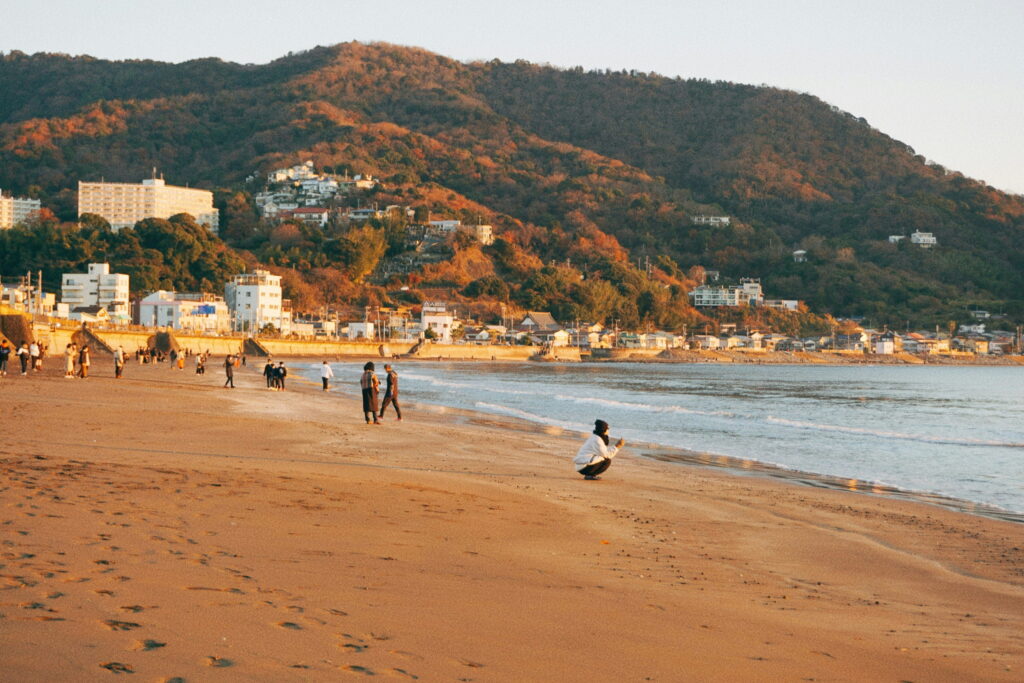
Lake Tanuki – The famous “Diamond Fuji” sunrise
This peaceful lake in the Asagiri Highlands is popular for camping and cycling.
Highlight: In April and August the rising sun aligns with Mount Fuji’s summit, creating the spectacular “Diamond Fuji” phenomenon.
Access:About 45 minutes by bus from Fujinomiya Station.
Lake Tanuki Official Website
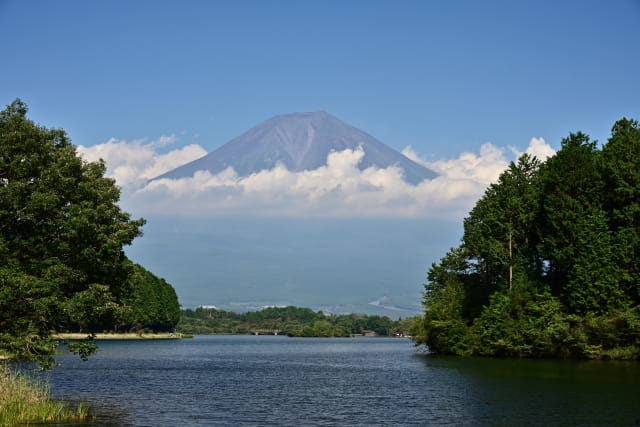
4. Other Areas: Lakes, Oceans, Cities, and Mount Fuji
You can also enjoy impressive views of Mount Fuji from coastal and urban locations in Kanagawa and Chiba.
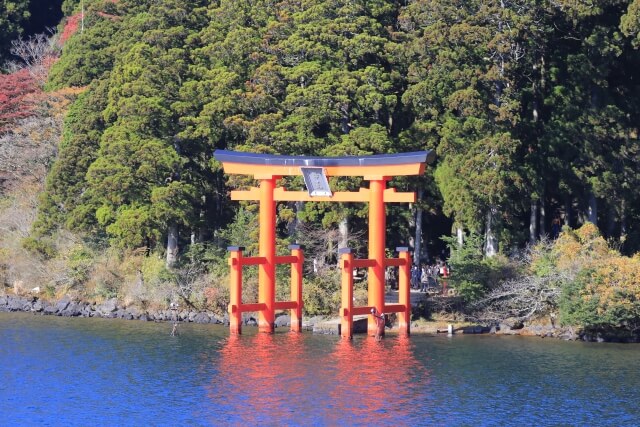
Lake Ashi (Hakone) – The red torii gate and Mount Fuji viewed from a pirate ship
This crater lake offers scenic views of Mount Fuji from sightseeing boats or pirate ships.
Highlight: The red torii gate of Hakone Shrine standing in the water with Mount Fuji behind it creates a spiritual landscape representing Japan.
Access: From Hakone-Yumoto Station take a bus to Moto-Hakone Port or Hakone-machi Port.
Hakone Navi Website
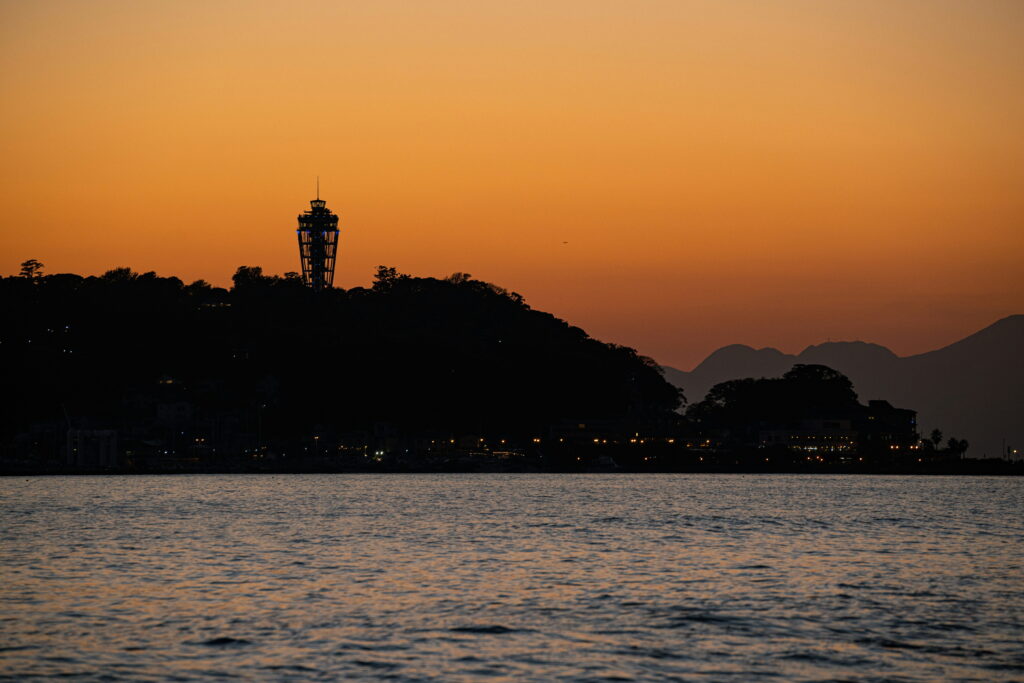
Enoshima – A magnificent silhouette along the Shonan coast
This island in Sagami Bay offers a relaxing seaside atmosphere with dramatic views of Mount Fuji.
Highlight: From Chigogafuchi you can see waves crashing against the rocks while Mount Fuji glows in the sunset.
Access: About a 15 minute walk from Katase-Enoshima Station.
Enoshima Fujisawa Tourism Website
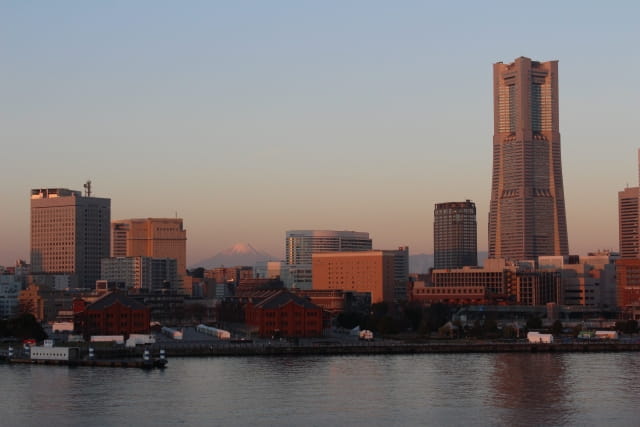
Minato Mirai 21 – Mount Fuji behind Yokohama’s futuristic skyline
Yokohama’s modern waterfront district offers elegant city views with Mount Fuji in the distance.
Highlight: The evening view where Mount Fuji aligns with Cosmo Clock 21 and Yokohama Landmark Tower is especially photogenic.
Access: Right next to Minato Mirai Station.
Minatomirai 21 Official Website
Boso Peninsula – A mysterious Mount Fuji appearing across Tokyo Bay
From the Chiba side you can see Mount Fuji rising across Tokyo Bay.
Highlight: From areas such as Tateyama, you may witness Diamond Fuji setting over the ocean when weather conditions are ideal.
Access: Stations along the southern coast of Chiba such as Tateyama Station.
Boso Peninsula Reference Website
5. Summary
Mount Fuji is a truly special presence that offers endless inspiration depending on the weather and location.
Whether seen from the bustling city skyline or from a quiet lakeside, each view becomes a memorable highlight of your journey.
One tip for seeing Mount Fuji clearly is to visit during winter mornings when the air is dry and visibility is best.
Use this guide to discover your own perfect viewpoint and capture a breathtaking scene that will become a lifelong memory.
Next time, why not plan a relaxing stay at a hot spring ryokan with a view of Mount Fuji?
What are we?
We run Ninja Experience Cafe in Tokyo, Kyoto and Osaka, Japan.
Here you can immerse yourself in Japanese culture through experiencing ninja training.
Both adults and children are welcome to try their hand at defeating the ninja master inside the cafe.
The cafe is an indoor interactive zone, so it can be enjoyed even on rainy days.
If you are thinking "I want to be a real ninja too!” or interested in becoming a real ninja, please visit us.
Reservations can be made here.
Unauthorized copying and replication of the contents of this site, text and images are strictly prohibited.