
8 Cultural Experience Spots in Tokyo's Asakusa: Ninja Experience Cafe
 Shinobu
Soaked in the rich atmosphere of old Tokyo's shitamachi (downtown district), Asakusa is an exceptionally popular travel destination for international visitors.
While connecting with a long history and vibrant traditional culture dating back to the Edo period, visitors can also admire the modern Tokyo Skytree soaring nearby. Asakusa offers an endless array of experiences—from touring historic temples and shrines to sampling local street food and joining interactive ninja workshops.
Discover the essential sights and experiences to fully immerse yourself in Japanese culture throughout Asakusa.
- What is Asakusa? A Traditional Tokyo District Echoing Edo's Heritage
- Sensoji Temple and Kaminarimon Gate: Finding Peace at Tokyo's Oldest Temple
- Nakamise Street: The Joys of Street Food and Shopping
- Ninja Experience Cafe: An Extraordinary Cultural Experience
- Food Sample Making Cafe: Craft Your Own Lifelike Masterpiece!
- Make Your Asakusa Trip Even Better: Unmissable Nearby Attractions
- Summary

1. What is Asakusa? A Traditional Tokyo District Echoing Edo's Heritage
Located in Taito Ward, Asakusa represents the definitive sightseeing hub of Tokyo's eastern downtown area.
Boasting over a thousand years of history, Asakusa flourished during the Edo period (1603–1868) as a bustling entertainment district packed with theatres, traditional restaurants, and pleasure quarters.
Today, the town remains steeped in Edo spirit, holding lively festivals and traditional events that preserve the authentic atmosphere of old Japan.
While other parts of Tokyo underwent rapid modern development after World War II, Asakusa retained its classic architecture and retro Showa-era shopping streets.
Walking here feels like stepping back in time.
Thanks to this timeless charm and wealth of attractions, Asakusa draws over 30 million visitors from Japan and abroad every year as one of Tokyo's premier destinations.
When thinking of Asakusa, the renowned Sensoji Temple—Tokyo's oldest temple—immediately comes to mind.
Around Sensoji, traditional shopping arcades, long-established eateries, and unique activity venues have gathered, creating an engaging blend of Japanese heritage and contemporary trends.

2. Sensoji Temple and Kaminarimon Gate: Finding Peace at Tokyo's Oldest Temple
The highlight of any visit to Asakusa is Sensoji, Tokyo's oldest Buddhist temple, founded in 628 AD.
Dedicated to Kannon, the Bodhisattva of Compassion, Sensoji has welcomed worshippers for centuries and currently welcomes 30 million pilgrims and tourists annually.
Stepping into the temple grounds, the fragrant incense smoke and gentle chanting of sutras offer a soothing retreat.
Purify your mind and hands at the Chozuya water pavilion before offering a silent prayer at the main hall to enjoy a peaceful moment away from the city bustle.
Kaminarimon Gate
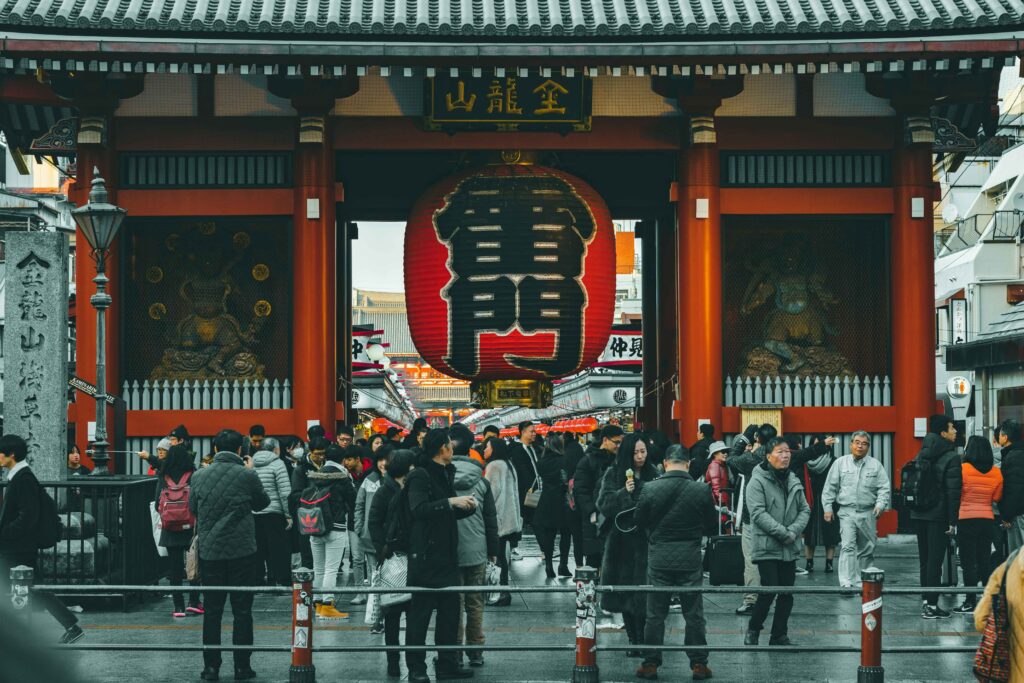
Serving as the outer entrance to Sensoji Temple, Kaminarimon is an iconic landmark of Asakusa.
Officially named Furaimon (Gate of Wind and Thunder), it features towering statues of Raijin (Thunder God) and Fujin (Wind God) standing guard on either side.
Hanging in the centre is a massive red lantern measuring 3.9 metres high, 3.3 metres wide, and weighing approximately 700 kilograms.
Originally built in 942 AD by military commander Taira no Kinmasa, the gate was destroyed by fire multiple times over the centuries.
The current structure was rebuilt in 1960 through a donation by Konosuke Matsushita, the founder of Panasonic.
While bustling with sightseers taking photos during the day, Kaminarimon takes on a magical, illuminated atmosphere at night.
Pass beneath the giant lantern to appreciate the grand heritage of Tokyo's oldest temple.
Sensoji Temple Official Website
3. Nakamise Street: The Joys of Street Food and Shopping
Passing through Kaminarimon Gate leads directly to Nakamise Street, a 250-metre approach stretching towards Sensoji Temple.
Developed during the Edo period as a temple-town market, it stands as one of Japan's oldest shopping streets.
Today, roughly 90 gift shops and food stalls line the street—54 on the east side and 35 on the west.
Visitors can browse a broad selection of items ranging from traditional crafts like folding fans, kimonos, and ukiyo-e prints to classic sweets like ningyo-yaki, kaminari-okoshi, and rice crackers.
You will also spot Godzilla figurines, kabuki-patterned T-shirts, and phone straps.
Street Food Delights
Sampling treats along Nakamise Street is a must. Options include fried manju, kibi-dango (millet dumplings), and skewered kinako (roasted soybean flour) mochi.
Among these, Asakusa's specialty ningyo-yaki—small sponge cakes filled with sweet red bean paste baked into shapes like five-storey pagodas or Kaminarimon lanterns—make delightful snacks and souvenirs.
Continuing down Nakamise leads toward Sensoji's main hall and majestic five-storey pagoda.
After paying your respects at the temple, wander through the side alleys surrounding Nakamise:
- Denboin Street: Lined with Edo-style craft shops and eateries offering a classic downtown atmosphere.
- Shin-Nakamise Street: A covered arcade located just behind Nakamise featuring souvenir shops, pharmacies, and clothing stores—ideal for shopping in any weather.

4. Ninja Experience Cafe: An Extraordinary Cultural Experience
For a fun, interactive way to engage with Japanese culture, the Ninja Experience Cafe has become a hugely popular stop in Asakusa.
Designed like a movie set, this entertainment venue recreates a hidden ninja house, complete with staff dressed in full ninja attire.
Guests gear up in black ninja outfits and train in authentic techniques, including shuriken (throwing stars), blowdarts, and swordplay using training swords. Friendly instructors guide participants through each step, making it accessible for absolute beginners.
Dynamic training sessions prove equally exciting for adults and children. Throwing real shuriken at targets or hitting the bullseye with a blowdart creates memorable moments for international visitors.
Dressed in full ninja gear, your photos and videos will make fantastic trip memories to share online.
Ninja Experience Cafe Official Website

5. Food Sample Making Cafe: Craft Your Own Lifelike Masterpiece!
If you are seeking a memorable hands-on activity near Asakusa, consider a workshop at a food sample crafting cafe.
Here, you can craft incredibly realistic replicas of tempura, parfaits, and other delicacies using traditional techniques.
Creating colorful lettuce leaves or crispy shrimp tempura feels like a fascinating craft experiment.
Moulding materials softened in hot water and finishing them off like a seasoned artisan offers insight into Japanese culinary culture and craftsmanship.
Workshop Details:
- Guided Instruction: Classes require advance reservations and feature step-by-step guidance suitable for young children.
- English Support: English instructions are available for international guests.
- Custom Souvenir: You can take your finished replica home as a one-of-a-kind keepsake.
The bright, clean venue displays remarkably convincing models of cakes and ramen bowls.
With an adjoining cafe space, it provides a relaxing pit stop easily accessible from Asakusa and Ueno Stations.
Food Sample Making Cafe Official Website
6. Make Your Asakusa Trip Even Better: Unmissable Nearby Attractions
Tokyo Skytree
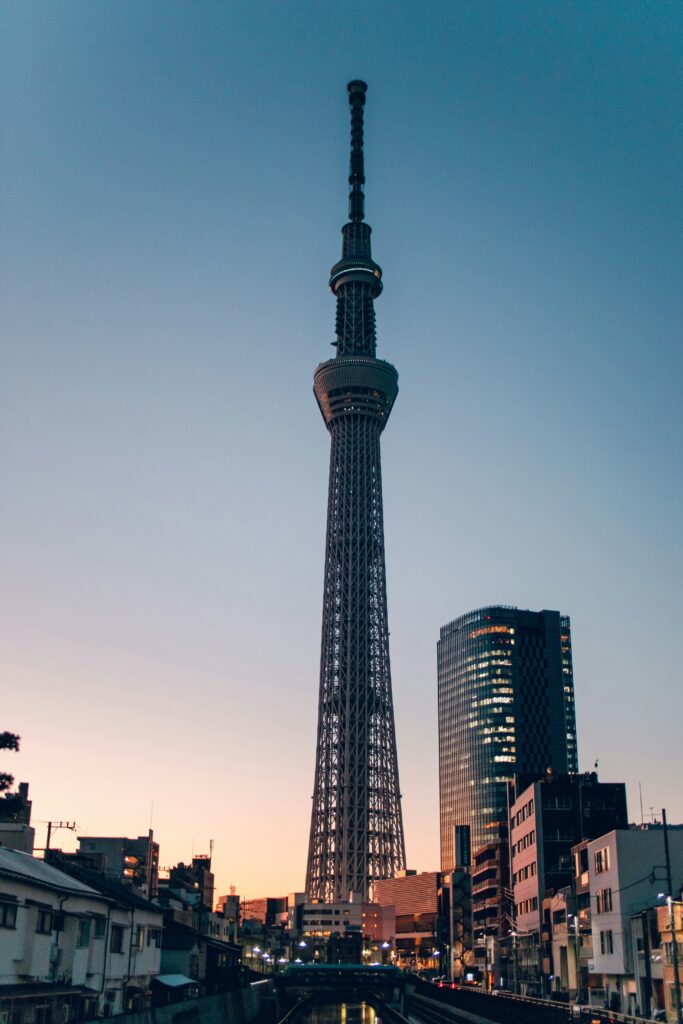
Located just across the Sumida River, Tokyo Skytree stands at 634 metres and holds the Guinness World Record as the world's tallest tower.
It is located just one station away on the Tobu Skytree Line or a pleasant 20-minute walk from Asakusa.
Ascending to the observation decks (at 350m and 450m) awards 360-degree panoramic views across the Tokyo metropolis.
On clear days, Mount Fuji is visible in the distance.
Pairing historical Asakusa with futuristic urban scenery creates a wonderfully balanced itinerary.
Kappabashi Kitchenware Town
A short walk from Asakusa, Kappabashi is a dream destination for foodies and cooks.
Featuring over 100 specialized shops selling professional kitchen knives, traditional ceramics, and cooking equipment, it is a fascinating street to browse.
Sumida Park
Situated along the Sumida River just a 5-minute walk from Sensoji Temple, Sumida Park is a celebrated cherry blossom spot in spring.
In summer, it hosts the famous Sumida River Fireworks Festival.
The park also features a peaceful Japanese garden ideal for seasonal strolls by the water.

Hanayashiki Amusement Park
Located behind Sensoji Temple, Hanayashiki opened in 1853 and is recognised as Japan's oldest amusement park.
Its charming retro rides and family-friendly attractions make it a hit with visitors travelling with children.
7. Summary
Asakusa is a district built upon deep history while continually welcoming new experiences.
From the tranquil atmosphere of ancient temples and street food on Nakamise Street to hands-on ninja training and food replica workshops, Asakusa offers something for every traveler.
Grab your camera, step into the Edo breeze of Asakusa, and discover your own memorable experiences.
Afterward, cross the Sumida River and look down upon the streets you just explored from the top of Tokyo Skytree!
What are we?
We run Ninja Experience Cafe in Tokyo, Kyoto and Osaka, Japan.
Here you can immerse yourself in Japanese culture through experiencing ninja training.
Both adults and children are welcome to try their hand at defeating the ninja master inside the cafe.
The cafe is an indoor interactive zone, so it can be enjoyed even on rainy days.
If you are thinking "I want to be a real ninja too!” or interested in becoming a real ninja, please visit us.
Reservations can be made here.
Unauthorized copying and replication of the contents of this site, text and images are strictly prohibited.

