A Journey Through Kansai’s World Heritage Sites
 Shinobu
Ancient cities such as Kyoto and Nara preserve traditions that have continued for more than a thousand years.
Temples, shrines, and gardens still reflect their historical appearance.
At the same time, cities like Osaka and Hyogo showcase a unique blend of modern life and long standing tradition.
- World Heritage Sites in Kyoto: Quiet Beauty of the Ancient Capital
- World Heritage Sites in Nara: Origin of Japanese Buddhism
- Cultural Experiences in Osaka: Where Modern Life Meets Tradition
- World Heritage in Hyogo: Himeji Castle
- World Heritage in Wakayama: A Spiritual Journey
- World Heritage in Shiga: Nature on Mount Hiei
- Summary
1. World Heritage Sites in Kyoto: Quiet Beauty of the Ancient Capital
Kyoto, home to 17 World Heritage sites, stands as one of the most iconic centers of Japanese culture.
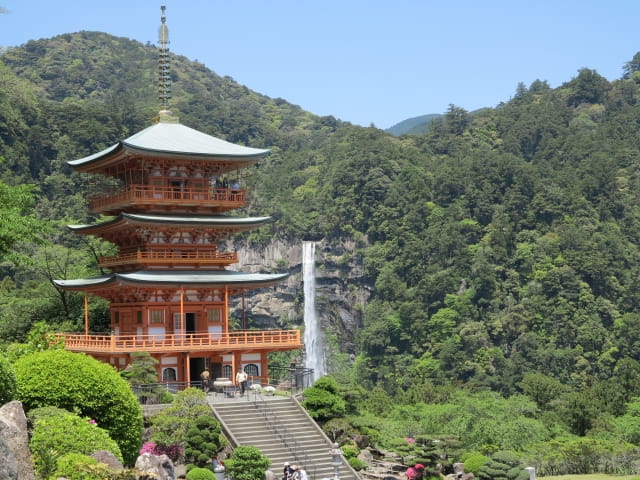
One of the most famous is Kiyomizudera Temple.
Built on a hillside, its large wooden stage offers a panoramic view of Kyoto.
The scenery changes beautifully with each season.
Kiyomizudera Temple Official Website
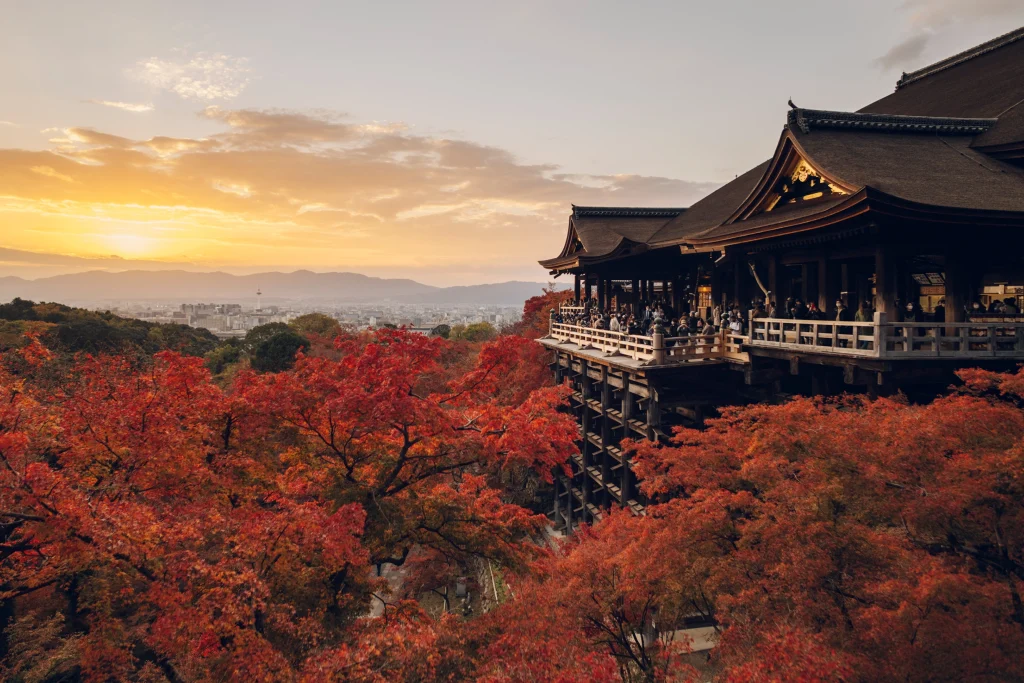
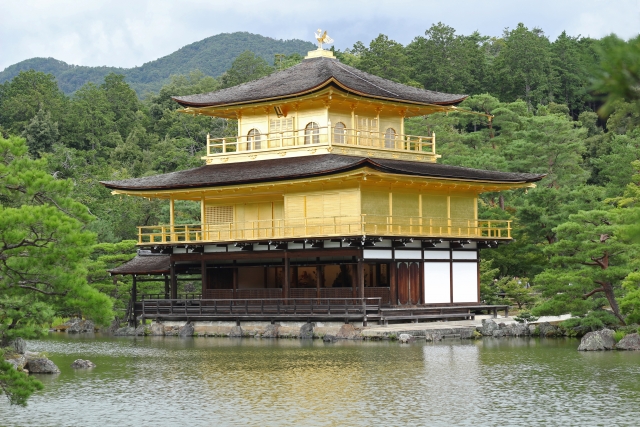
Another must see landmark is Kinkakuji, also known as the Golden Pavilion.
The golden building reflected in the surrounding pond creates a scene that resembles a painting.
In the past, gold leaf symbolized both political power and religious devotion.
Kinkakuji Temple Official Website
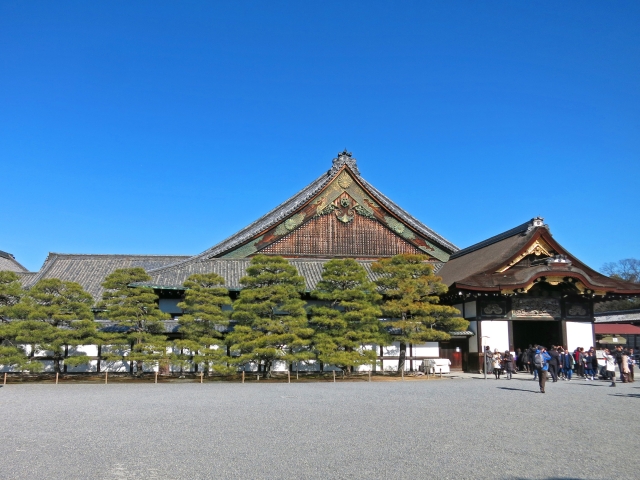
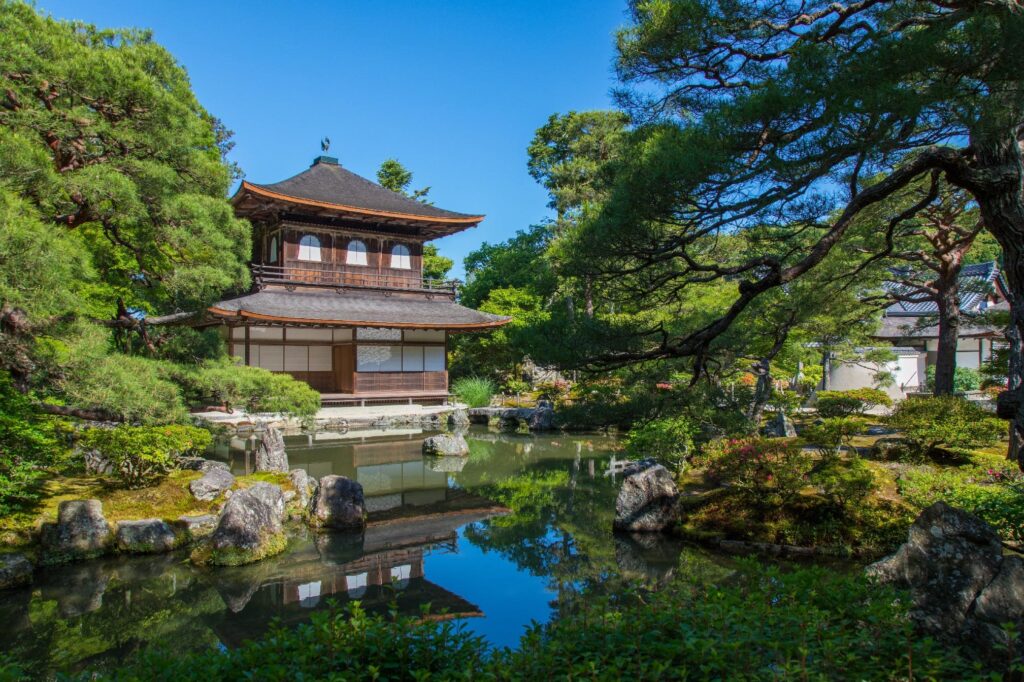
Visitors can also explore Nijo Castle and Ginkaku-ji Temple.
These locations highlight the contrast between samurai culture and the refined traditions of the imperial court.
Each site quietly conveys the depth of Japanese aesthetics and history.
Nijo Castle Official Website
Ginkakuji Temple Official Website
2. World Heritage Sites in Nara: Origin of Japanese Buddhism
Nara was once Japan’s ancient capital, known as Heijo-kyo.
The city preserves cultural traditions that developed after Buddhism was introduced to Japan.
One of the most famous landmarks is Todai-ji Temple.
Its Great Buddha statue ranks among the largest bronze Buddha statues in the world.
The temple reflects the era when Buddhism served as a central pillar of the Japanese state.
Todaiji Temple Official Website
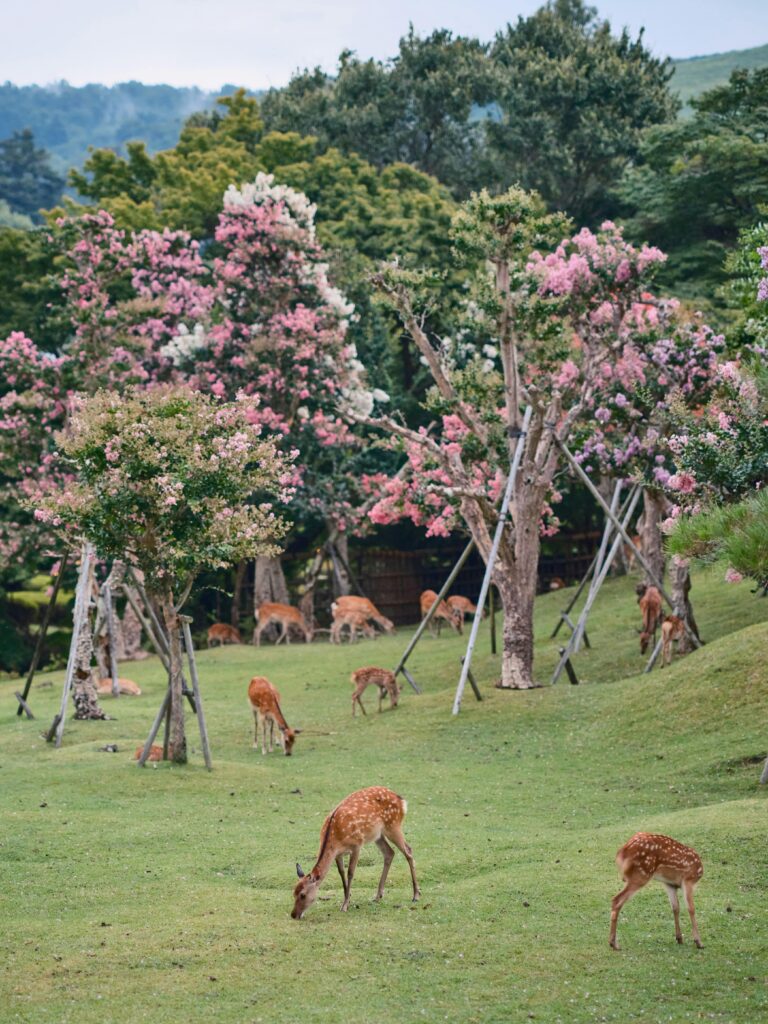
Nearby Nara Park offers a peaceful atmosphere where deer roam freely.
Nature and Buddhist culture coexist throughout the city.
The calm environment makes Nara a relaxing destination for travelers.
3. Cultural Experiences in Osaka: Where Modern Life Meets Tradition
Osaka is known as a lively merchant city filled with energy and hospitality.
Alongside its modern atmosphere, visitors can discover historical sites and hands on cultural experiences.
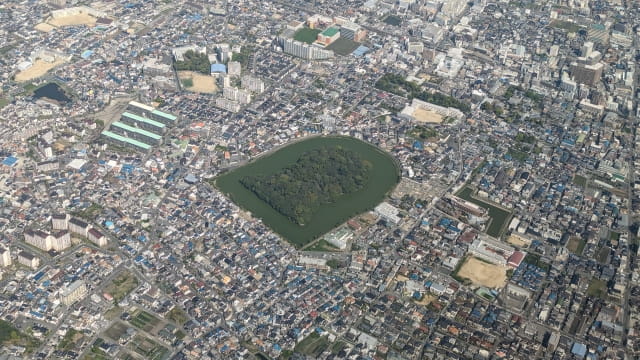
One of Osaka’s World Heritage sites is the Mozu-Furuichi Kofun Group.
Kofun are ancient burial mounds built for powerful rulers of early Japan.
These tombs often featured geometric shapes and were decorated with clay figures called haniwa.
The enormous scale of the kofun reflects the strength and influence of ancient kings.
Mozu-Furuichi Kofun Group Official Website
Visitors to Osaka may also enjoy a unique cultural activity at the Ninja Experience Cafe Osaka Dotonbori.
Guests can wear ninja costumes and try activities such as shuriken throwing and ninja stealth techniques.
Historically, ninja worked as spies and scouts during Japan’s feudal era.
For travelers, this experience offers a fun introduction to traditional Japanese martial culture.
Ninja Experience Cafe Osaka Dotonbori Official Website

In addition, areas like Dotonbori and Shinsekai allow visitors to enjoy Osaka’s famous street foods, including takoyaki and kushikatsu.


4. World Heritage in Hyogo: Himeji Castle
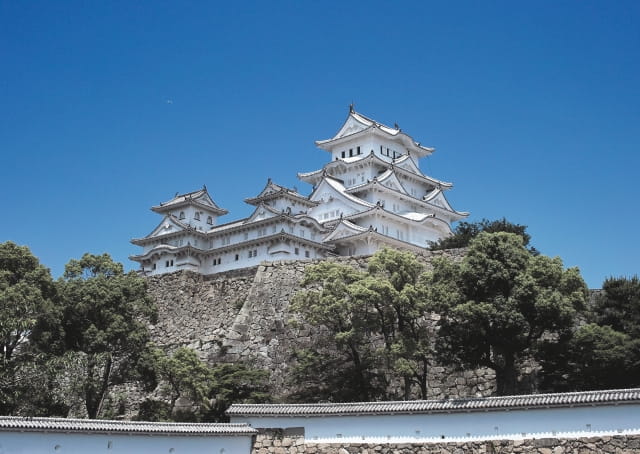
Himeji Castle is one of Japan’s most famous and well preserved castles.
Its elegant white plaster walls have earned it the nickname “White Heron Castle.”
The castle’s design incorporates advanced defensive strategies developed between the Sengoku and Edo periods.
Himeji Castle Official Website
Walking through the surrounding castle town reveals traditional merchant houses and local confectionery shops.
Visitors can also try the regional specialty Himeji Oden, a warm dish served with ginger flavored soy sauce.
5. World Heritage in Wakayama: A Spiritual Journey
Wakayama Prefecture is home to the Kumano Kodo, an ancient pilgrimage route that has existed for over a thousand years.
The route forms part of the World Heritage site “Sacred Sites and Pilgrimage Routes in the Kii Mountain Range.”
It represents a sacred landscape where nature and spiritual tradition coexist.
Wakayama Travel Guide
One of the most important locations along this route is Kumano Hongu Taisha.
Walking along the path, visitors pass moss covered stone steps and towering cedar forests. The atmosphere feels timeless and deeply peaceful.
Kumano Hongu Taisha Official Website
6. World Heritage in Shiga: Nature on Mount Hiei
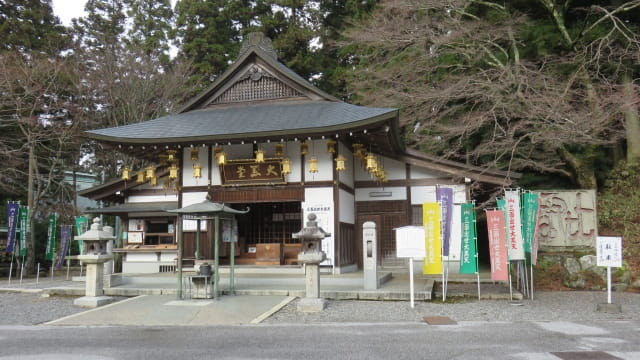
Enryaku-ji Temple on Mount Hiei in Shiga Prefecture serves as the headquarters of the Tendai sect of Buddhism.
The temple complex has more than 1,200 years of history, and monks still continue their training there today.
Around Lake Biwa, Japan’s largest lake, visitors can discover traditional fishing villages and regional cuisine.
One unique dish is funazushi, a fermented sushi made from local fish and considered one of the oldest forms of sushi in Japan.
Enryaku-ji Temple Official Website
7. Summary
The World Heritage sites of the Kansai region offer far more than sightseeing destinations.
They provide insight into the spiritual and cultural roots of Japan.
Kyoto and Nara reveal the depth of Japanese history.
Wakayama and Shiga highlight the harmony between nature and faith.
Osaka showcases the dynamic meeting point of tradition and modern culture.
What are we?
We run Ninja Experience Cafe in Tokyo, Kyoto and Osaka, Japan.
Here you can immerse yourself in Japanese culture through experiencing ninja training.
Both adults and children are welcome to try their hand at defeating the ninja master inside the cafe.
The cafe is an indoor interactive zone, so it can be enjoyed even on rainy days.
If you are thinking "I want to be a real ninja too!” or interested in becoming a real ninja, please visit us.
Reservations can be made here.
Unauthorized copying and replication of the contents of this site, text and images are strictly prohibited.